If you’re doing some last-minute Christmas shopping in Tokyo, try and swing by some of these locations where you’ll find the best seasonal yet unorthodox designer Christmas trees. Happy Holidays!
Continue reading
If you’re doing some last-minute Christmas shopping in Tokyo, try and swing by some of these locations where you’ll find the best seasonal yet unorthodox designer Christmas trees. Happy Holidays!
Continue reading
Apropos of nothing, other than the fact that this is December, we wanted to share one of our favorite holiday advertising campaigns. This one is by art director Yuni Yoshida, who applied a creative use of perspective to transform a green stairway and a red hallway into Christmas Trees.
Continue reading
unless otherwise noted, all images © Kawasumi-Kobayashi Kenji Photograph Office, courtesy Kengo Kuma Architects
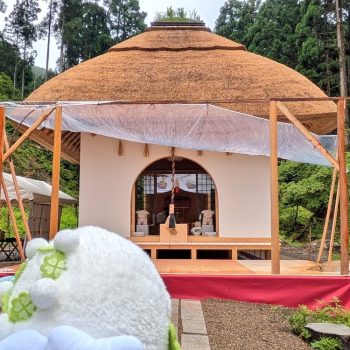
If you’re headed to see the Tottori Sand Dunes, be sure to stop by the newly opened Takahama Cafe, a dramatic, timber structure that recently opened. Part cafe and part observation deck, the cafe was designed by architect Kengo Kuma and offers spectacular views of the Tottori Sand Dunes.
Continue reading
Anyone who has been to Japan has undoubtedly encountered the mistranslated phrase. Robotic translator gone awry? Translation job outsourced to intern who took a semester of English? Whatever the reason, these mistranslations have offered endless chuckles but are also a reminder of the nuances of language and how difficult it can be to accurately capture true meaning. So instead of scolding, this museum celebrates these mistakes, positioning them as valuable stepping stones in acquiring a new language.
Continue reading
Gato Mikio was founded in 1908 in Yamanaka Hot Spring, a town famed for wood turning. Following the intentions and spirit of the original kijishi wood-turners, the company has dedicated itself to preserving the craft of woodwork and lacquerware by creating timeless and functional tableware that accentuates the beauty of natural wood.
Continue reading
all images by Hiroki Saito | used with permission
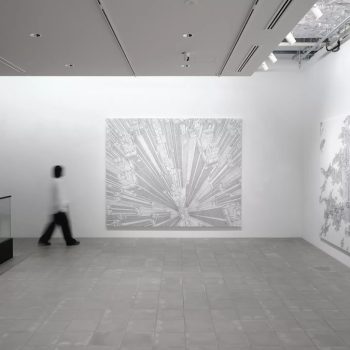
Hiroki Saito first discovered the art of kirie in high school. And for the past 8 years he has been perfecting his craft. Saito’s dedication is evident in his work, which features meticulous and delicate incisions that render cityscapes so lifelike they could easily be mistaken for photographs.
Continue reading
unless otherwise noted, all photos courtesy Takachiho Amaterasu Railway
The Amaterasu Railway in Miyazaki Prefecture is a popular local train that takes passengers on a gorgeous 30-minute journey through the spectacular scenery of Takachiho. The quirky train is known for its open roof, its journey over Japan’s highest train bridge, and train conductors who blow bubbles along the way. But now they’re known for something else: leaving passengers feeling hungry.
Continue reading
Horyu Goseda was a Japanese artist who lived from 1827 to 1892. He spent the majority of his career working in Yokohama, a port town distinguished by a strong presence of foreign sailors and western influence. Although he worked in a traditional Japanese style, painting narrow silk wall hangings, he pioneered what came to be called Yokohama-e, paintings that combined western techniques of modeling with light and shade, and perspective. But to make ends meet, Goseda developed a side-hustle: painting portraits for foreigners dressed in traditional kimono.
Continue reading
photos by Satoshi Shigeta courtesy Tadokoro Sekkei
Set off of a busy street in Shibuya’s Daikanyama neighborhood is a stunning combination of wood and stone that breaks up the urban landscape with quiet tranquility. Carved into one of the large, granite stepping stones are the words Dolce Takubo, which is the name of this patisserie that serves some of the most delectable desserts.
Continue reading
two of us © Risa Negishi
A survey of the growing prominence and visibility of women in film, the latest ACA Cinema Project series The Female Gaze: Women Filmmakers from JAPAN CUTS and Beyond focuses on the essential roles that female artists play from behind the camera in Japanese cinema—ranging from directing and screenwriting to production and cinematography. Presenting an exciting array of screenings and premieres—that include new mainstream and independent works from JAPAN CUTS alumni and rising talents alongside a classics selection—The Female Gaze offers a much-needed deep dive into the remarkable and overlooked contributions of women in contemporary Japanese cinema.
Continue reading