Page 259 of 406

Judging books by their covers | Japanese creative book design

Book design is often an overlooked and under-appreciated sub-genre of graphic design. It refers not only to book covers – which do get a fair amount of attention – but also to the way pages, text and images are laid out, serving as a conduit for reader experience. I’ve been keeping a running log of great, somewhat out-of-the-ordinary, book designs that I’ve come across. Here is a selection of great book designs, and I’ll devote a separate, single post to one of my favorites.

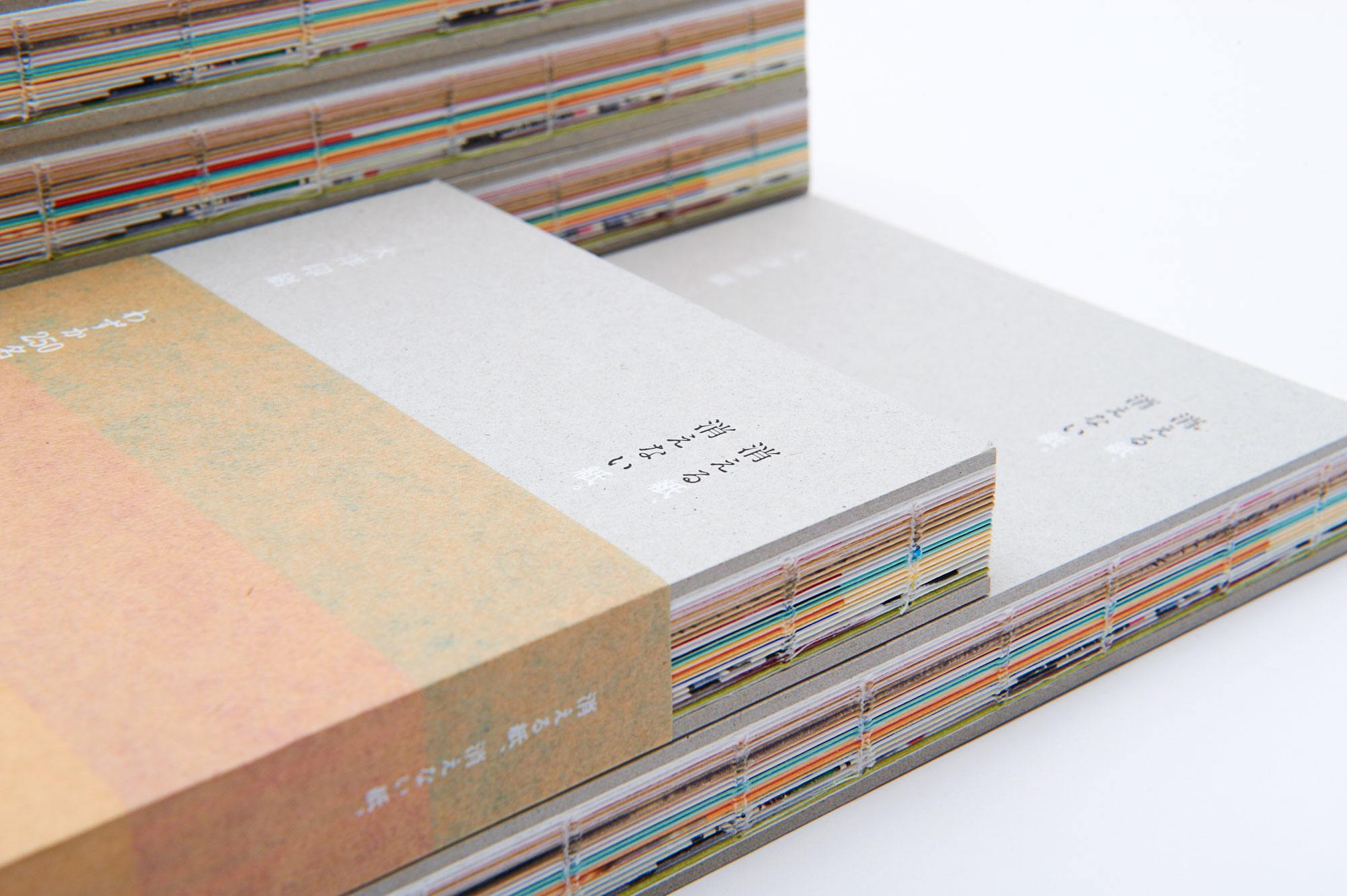
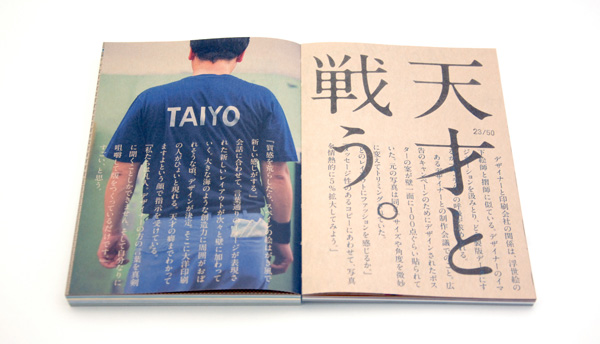
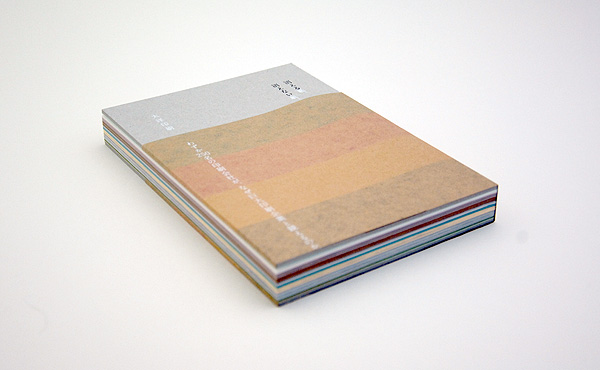
Kieru kami, kienai kami (消える紙、消えない紙)
What is essentially one massive company brochure, Taiyo, a small printing company, came up with the idea for a book dedicated to those who continue to believe in real books. Loosely translated as “disappearing paper, lasting paper,” the book was designed by Doppo and has been used for all sorts of purposes from marketing to employee education.
click images to enlarge


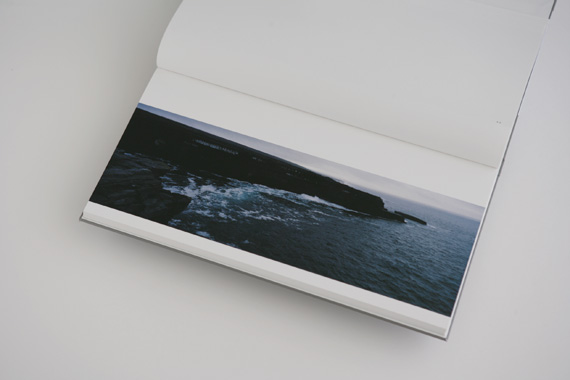
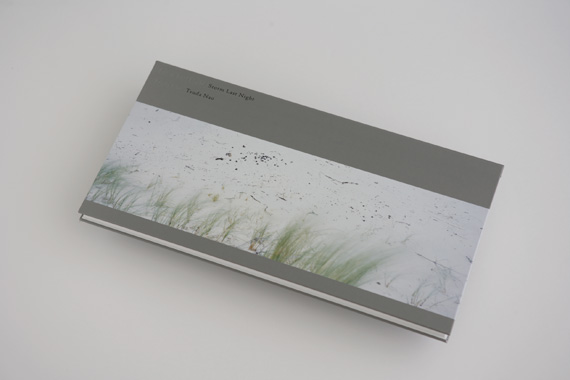
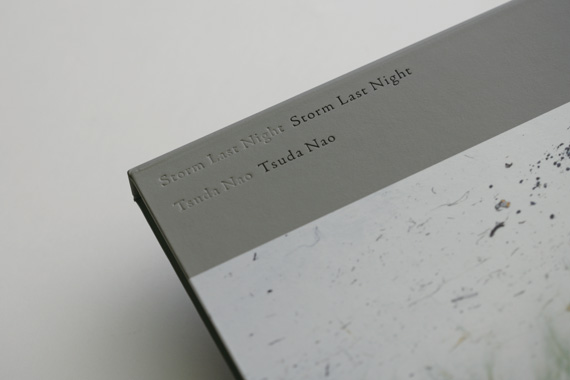
Storm Last Night
Designed by Yuri Suyama, the photo book captures the landscape photography of Tsuda Nao, who recently traveled to Ireland to capture these photographs.
 

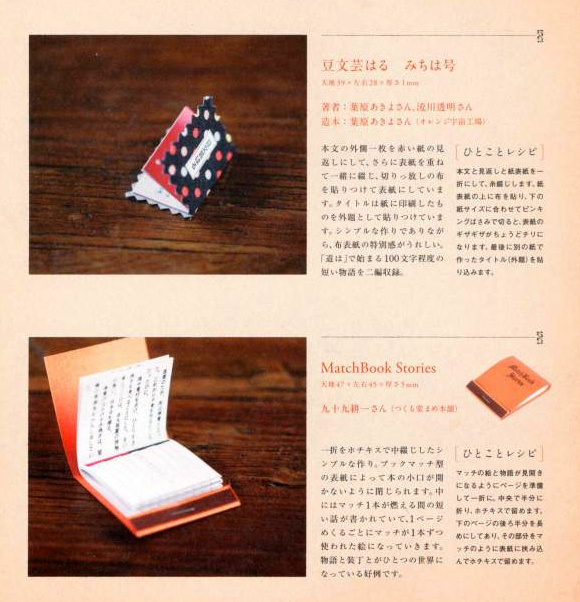
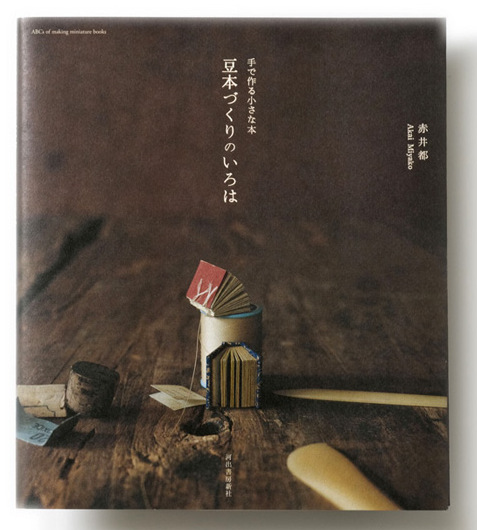
Mamehon-zukuri no iroha (豆本づくりのいろは)
The “ABCs of Making Miniature Books” is a lovely book about making books – miniature books, that is. It was designed by Chikako Oguma and authored by Miyako Akai.
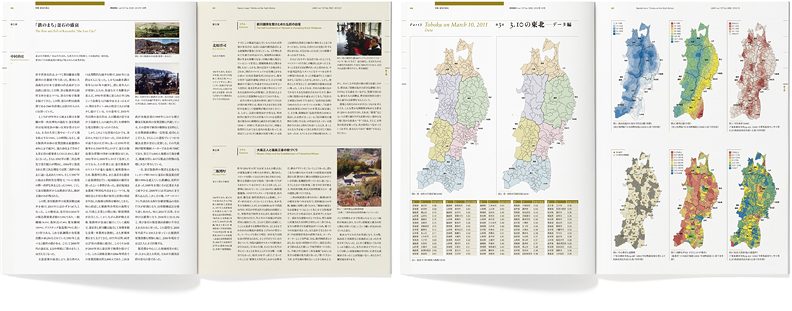
JABS Magazine 2012
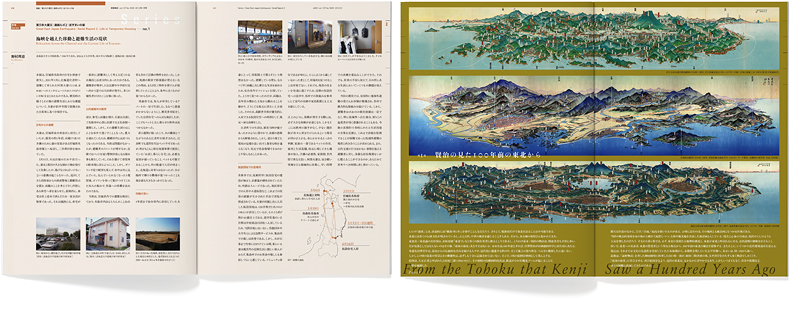
Yes, technically it’s not a book. But Takeo Nakano has been doing a splendid job on the art direction and design for a special year-long series on earthquakes and architecture that the JABS architecture magazine is doing.

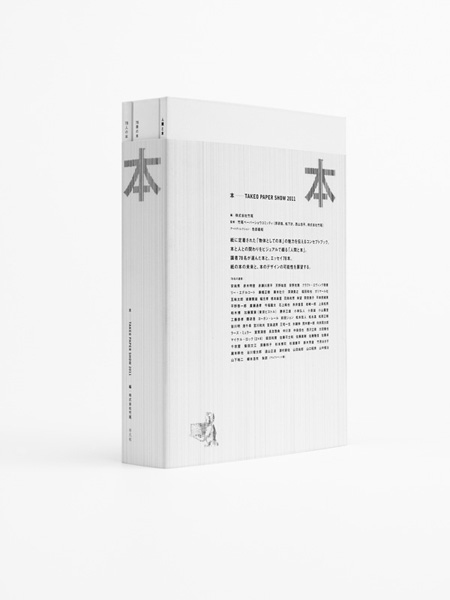
Book – Takeo Paper Show 2011
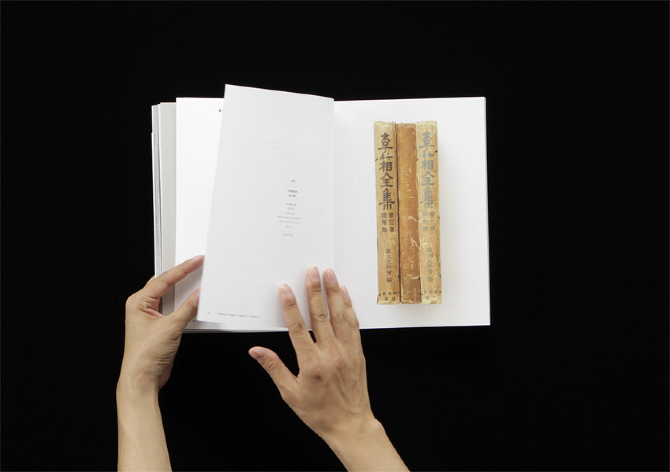
The annual Takeo Paper Show is an exciting event for stationary nerds like myself. And when a show about paper gets turned into a breathtaking beauty of a book designed by Irobe Design Institute? Well, it’s like a flower-chain of sensual delights.
 

Zasso (雑草)
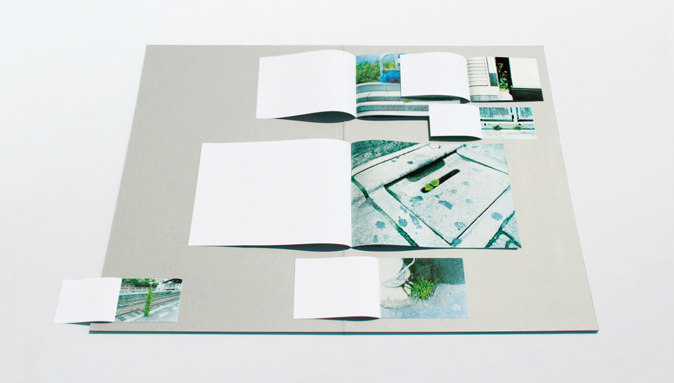
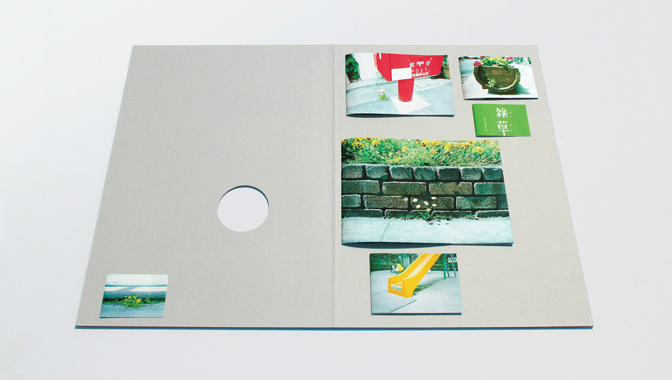
The art director Yuji Tokuda, upon returning from abroad, was struck by the cleanliness of streets in Tokyo. He began walking with his head down, admiring the lack of garbage. In time, his attention shifted towards weeds, which he captured in hundreds of photographs over a 9-year period. He designed this picture book, including only his favorite pictures of weeds.

ISSHO Exhibition featuring new works by Masanori Oji

North American fans (including us) of Oji Masanori’s work will be happy to hear that he’s having two exhibitions in August. Oji will be exhibiting his new collection, ISSHO, at MUHS HOME in San Francisco on August 8th, after which it will travel to Mjolk in Toronto for an August 11th showing. ISSHO, meaning “together,” celebrates the act of creating, and the numerous people involved – from maker and designer to communicator and user.

And keeping with the tradition of togetherness, Oji’s works will be displayed alongside a number of his colleague’s, including the glass work of Studio Prepa and the woodwork of artisans from Asahikawa.

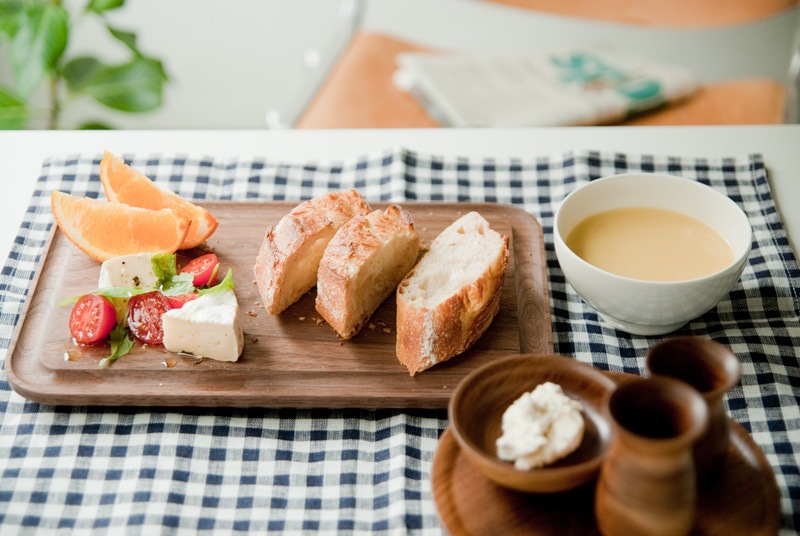
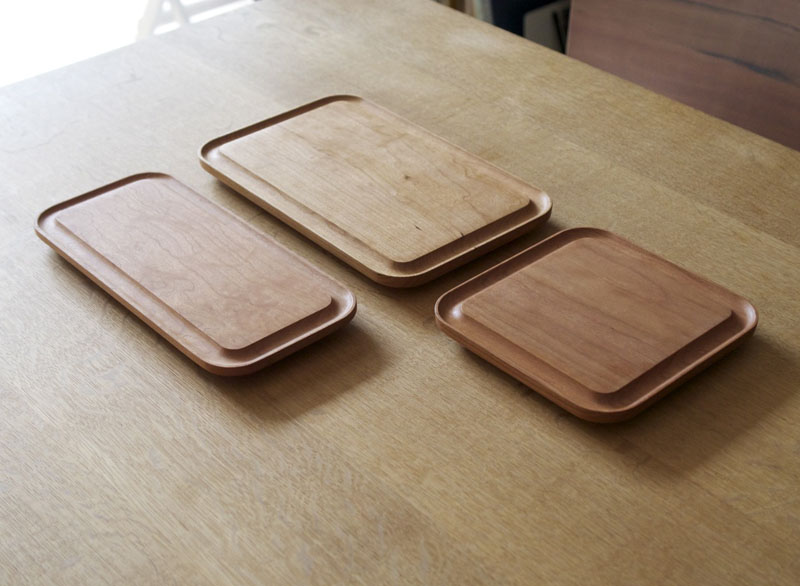
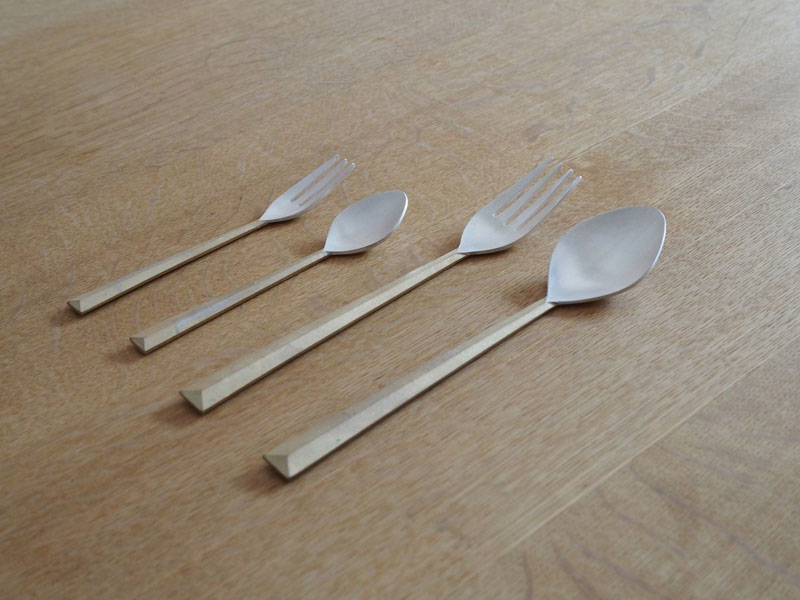
Wow. How gorgeous are these wooden trays and spoons?

source: Oji Masanori

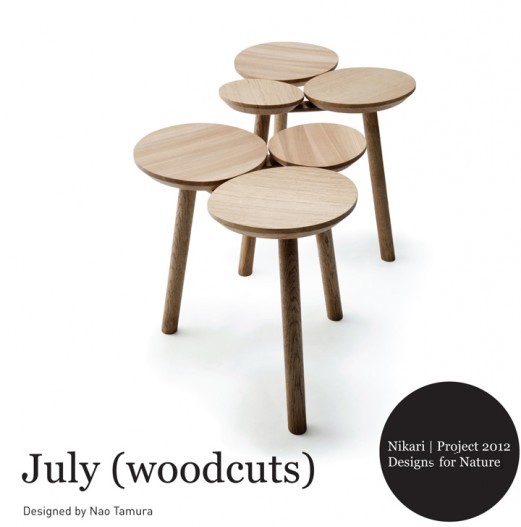
July Stool by Nao Tamura

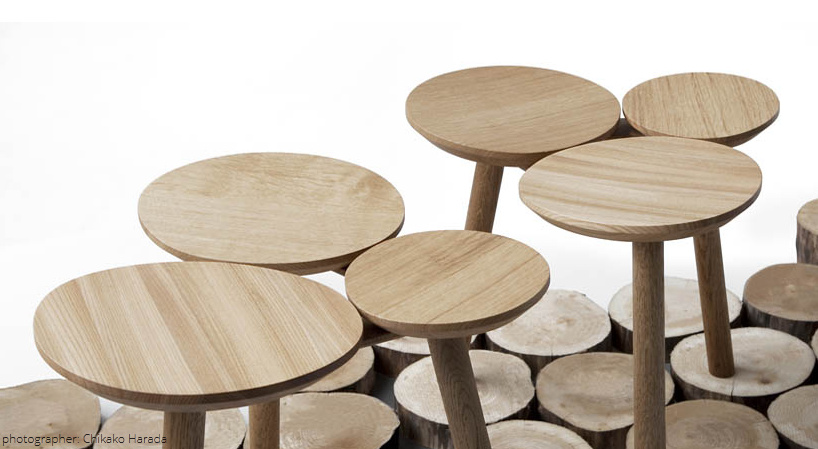
Finish furniture firm (say that 10 times, then read on) Nikari asked 12 designers to create a wooden product, each being released once a month in a year-long initiative titled “Project 2012 Design for Nature.” For the month of July, Nao Tamura created this gorgeous stool that celebrates the imperfections of nature.

Like a bundle of wooden logs, three individual “slices” — unequal in size, variegated in grain and color, and uneven surface angles — unite to create a beautiful, singular form.

Each stool enjoys its own sense of individuality. Together, in multiples, they create a sculptural seating display for gathering spaces.

Source: Nao Tamura

Shin-Bijutsukai | Japanese Design Magazine from the early 1900s

click images to enlarge

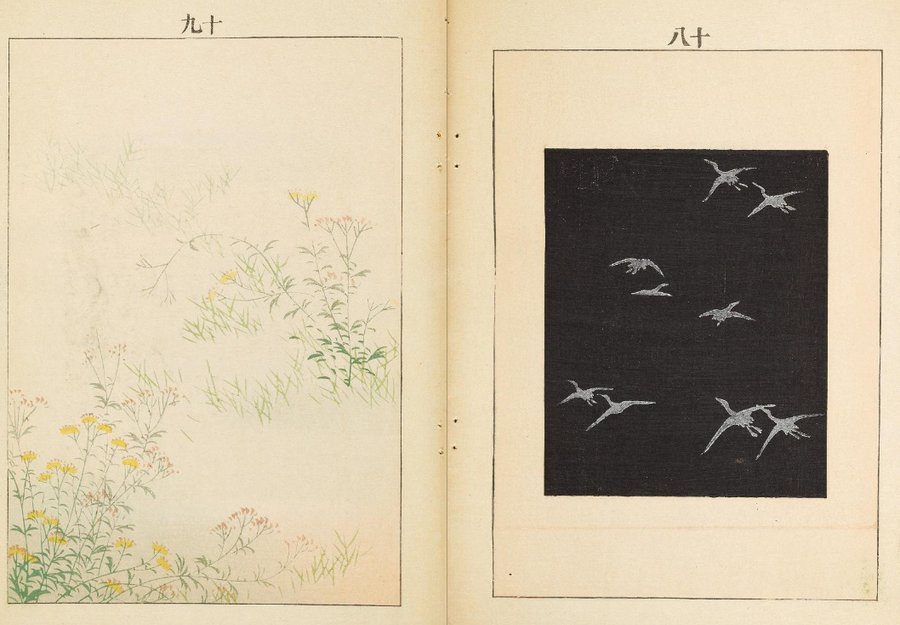
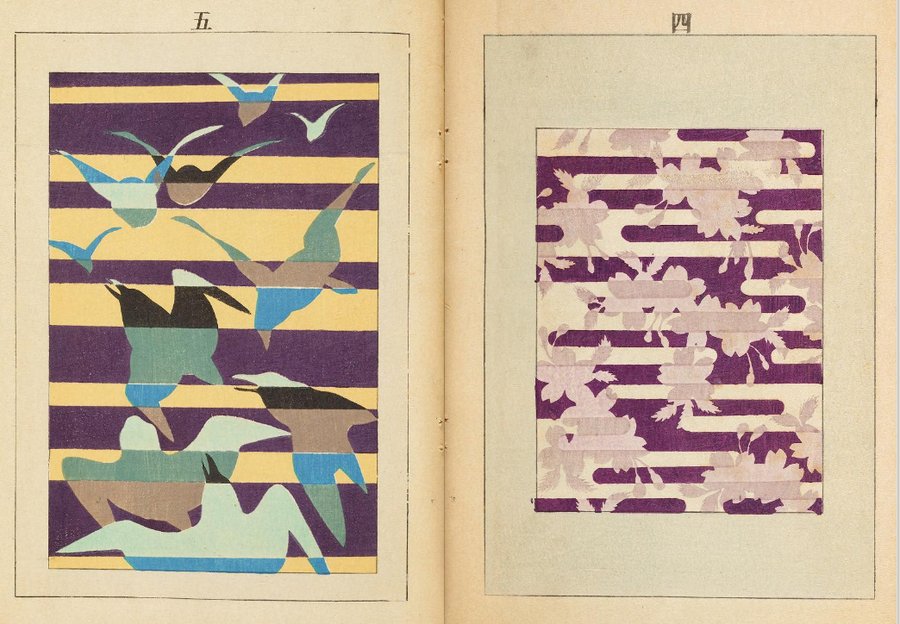
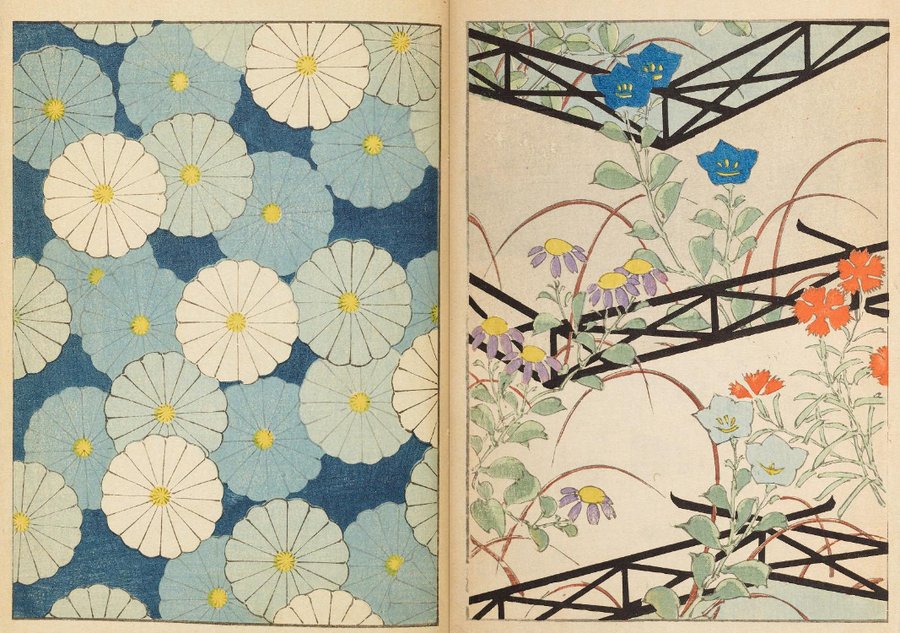
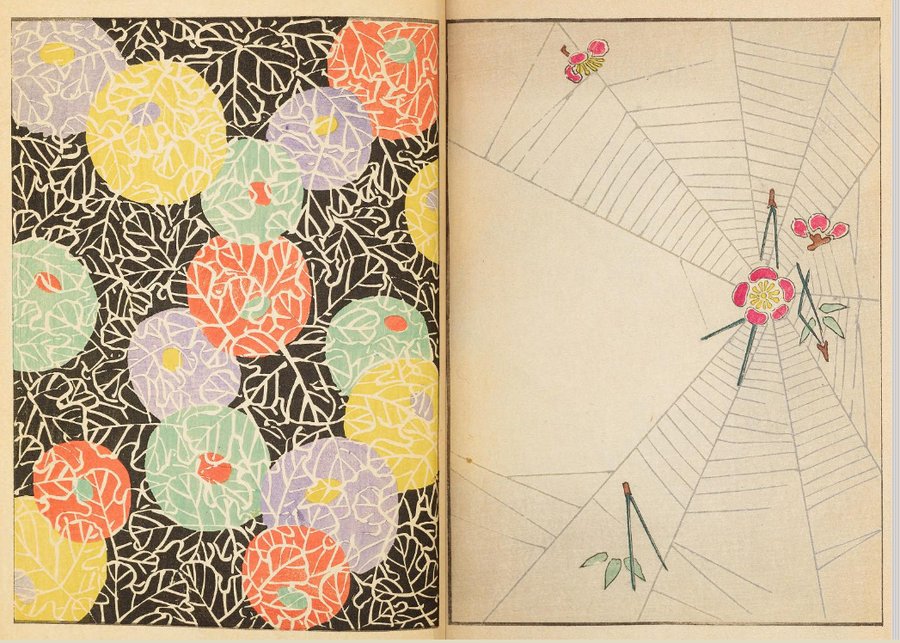
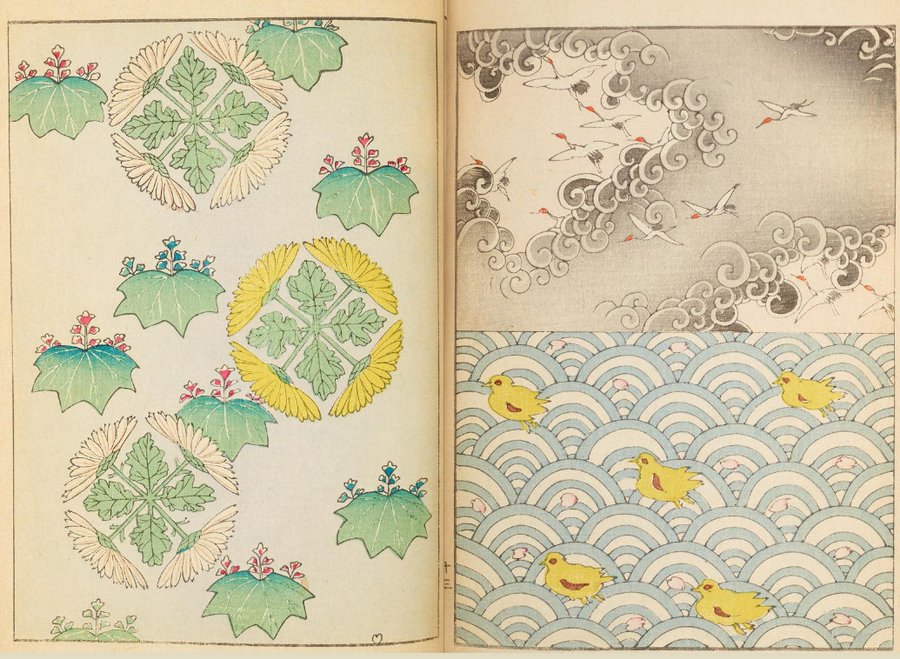
What was it like flipping through the pages of a Japanese design magazine from the early 1900s? Undoubtedly, a lot different. Probably not many advertisements, no top 10 lists or home and studio visits. Well thanks to the Internet Archive, we now know. Shin-Bijutsukai (新美術海) is a Japanese design magazine that was edited by illustrator and designer Korin Furuya (1875-1910). The monthly magazine ran from 1902, and contained “various designs by the famous artists of to-day.”

What is most likely the complete series – all 353 pages of it – can be found, for your viewing pleasure, right here.

What I found incredibly striking was that, while hints of art nouveau and other influences of the time obviously linger, the artwork as a whole felt incredibly contemporary. The vivid colors and the flat shapes could easily mingle with the graphic design of today.

Thanks @luismendo

Keisuke Tanaka carves miniature landscape into wood

image courtesy Yamamoto Gendai

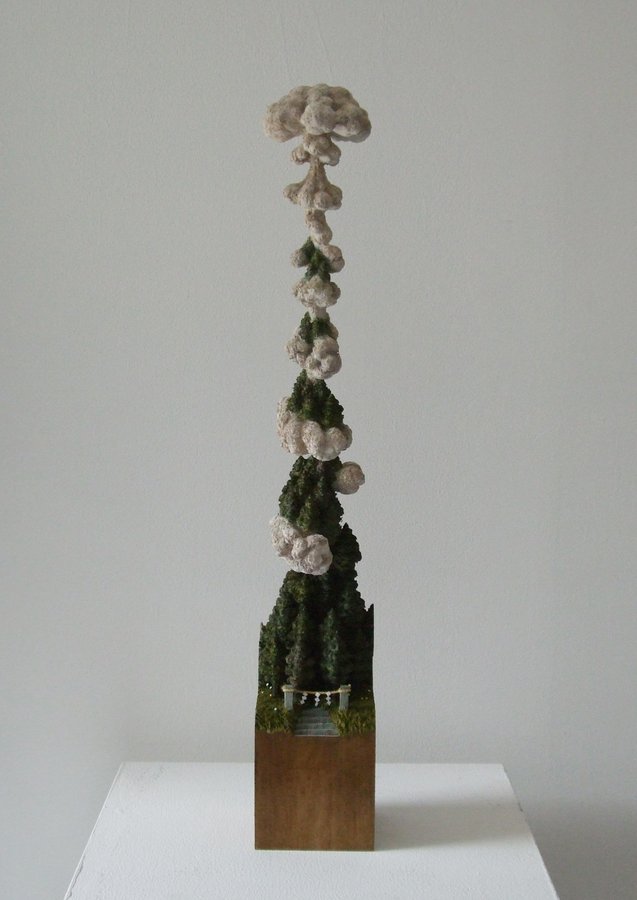
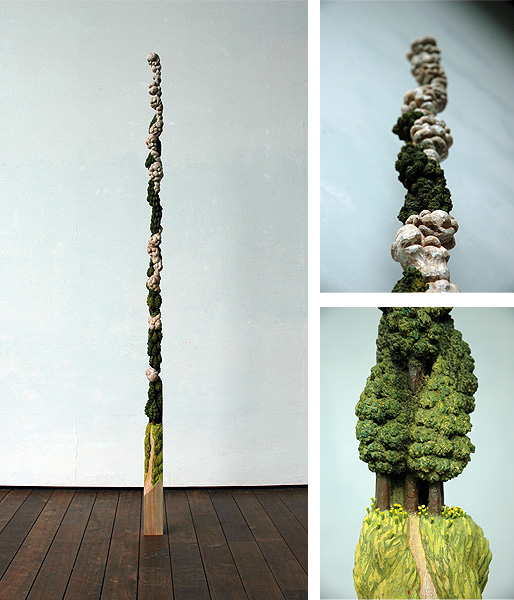
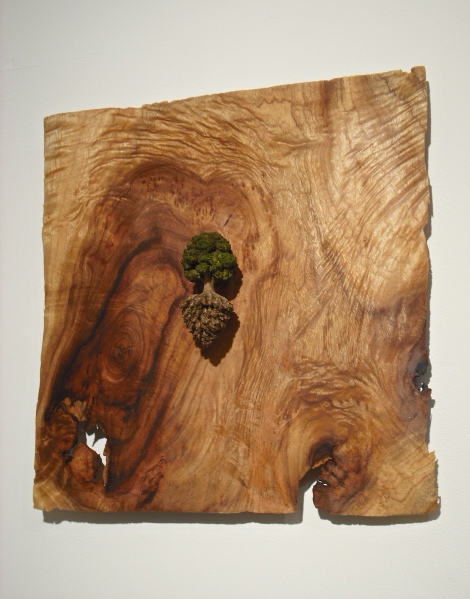
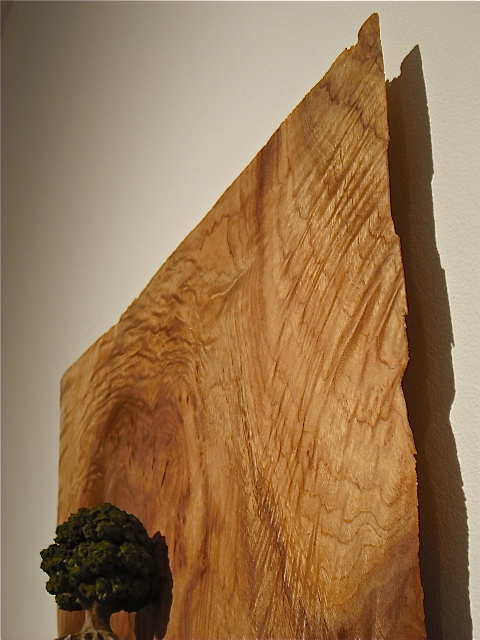
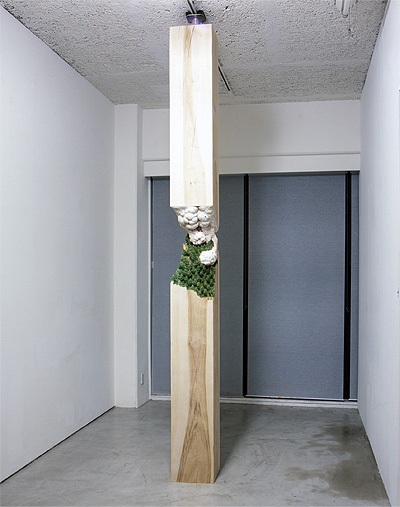
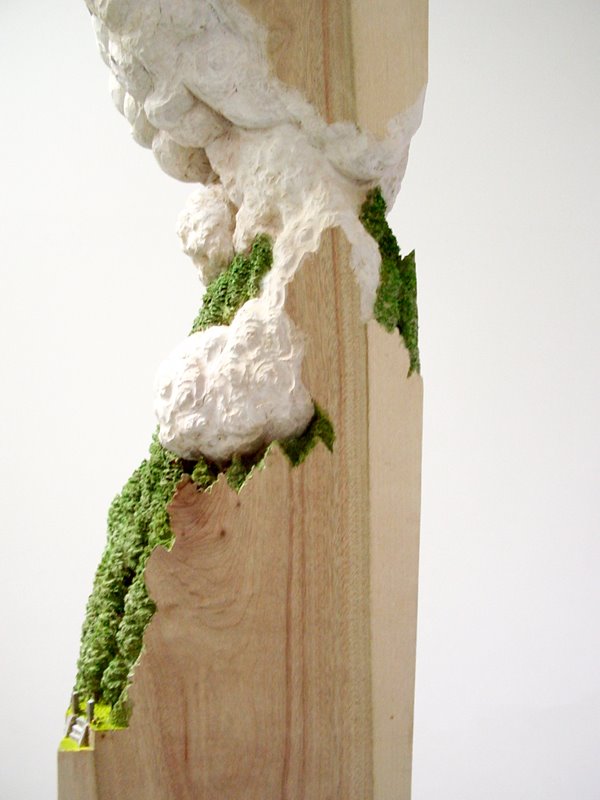
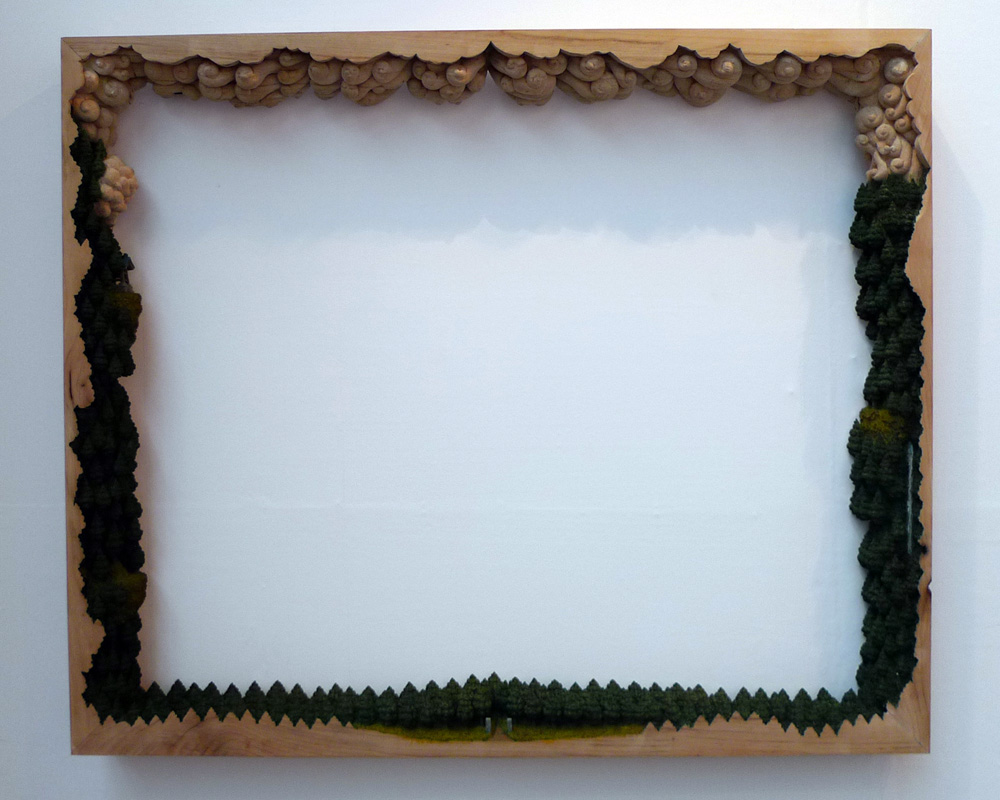
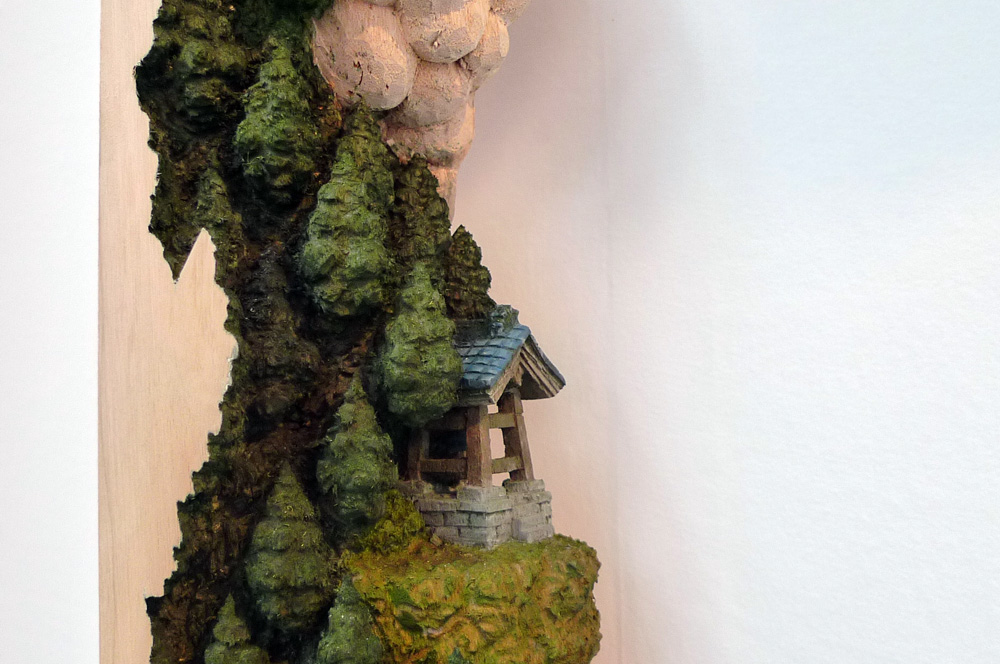
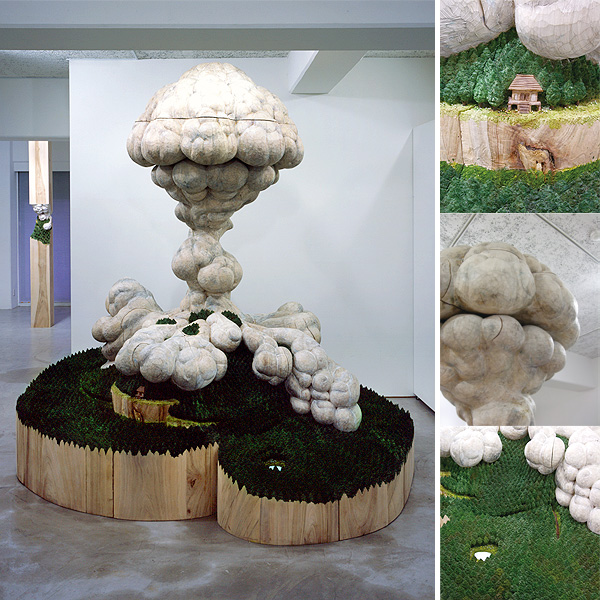
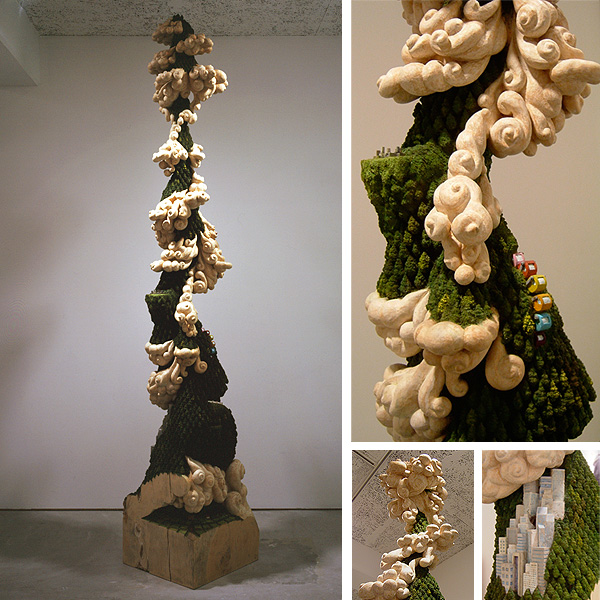
While researching a number of posts this week I stumbled upon the work of sculptor Keisuke Tanaka. Taking large blocks of wood, Tanaka meticulously whittles them down – occasionally preserving the original surface while sometimes leaving no trace at all – to reveal a blend of realistic and imaginary landscapes.

The result is dynamic wooden sculptures that often depict forests, mountains and clouds, reaching high towards the sky. At times almost pagoda-like, the wooden sculptures aren’t without spiritual imagery. A small temple, nestled within the busy landscape, is a reoccurring motif in Tanaka’s work. His curvy, rhythmical clouds are also reminiscent of ancient legends and fairytales that would feature gods and deities.

image courtesy Yamamoto Gendai 

images courtesy ex-chamber | click detail shots to enlarge


left image courtesy Yamamoto Gendai; right image courtesy G-tokio | click to enlarge

Tanaka uses a variety of wood, from camphor to maidenhair, and then colors in his landscapes using acrylics.

image courtesy fukuhen | click to enlarge

image courtesy fukuhen (detail shot of above) | click to enlarge

image courtesy Yamamoto Gendai

image courtesy Yamamoto Gendai

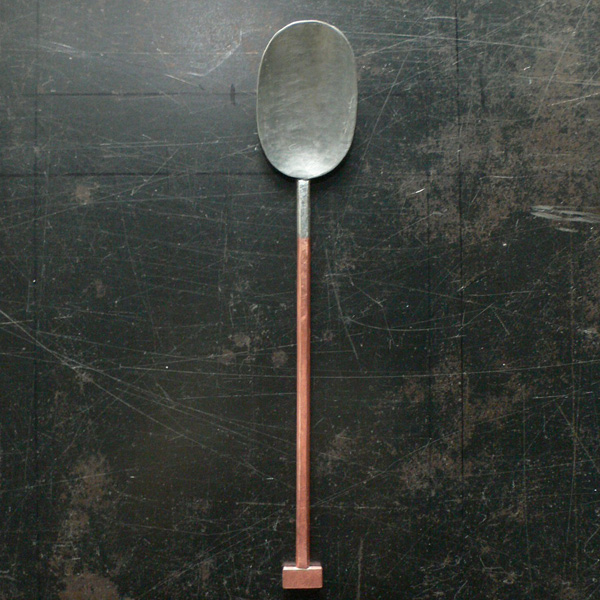
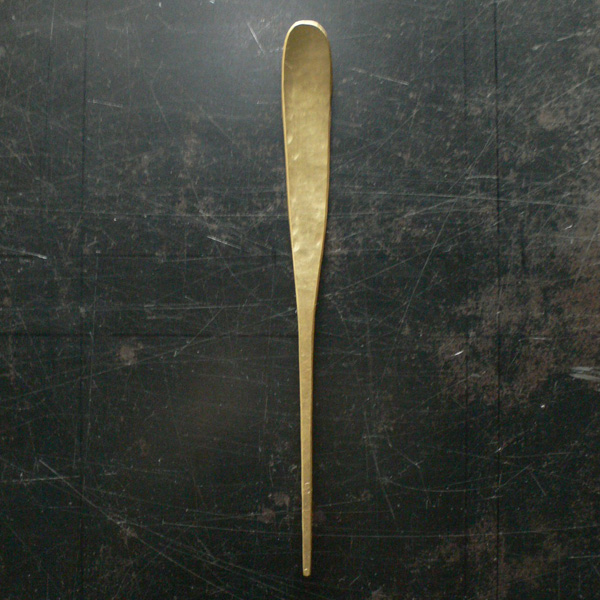
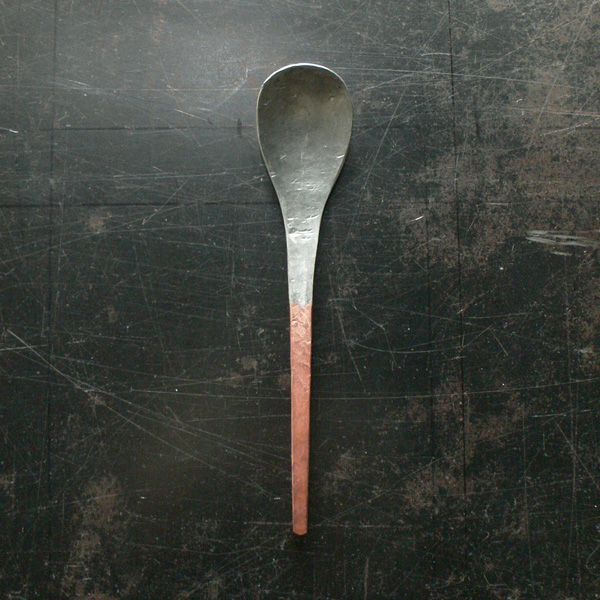
Hammered Spoons by Yumi Nakamura

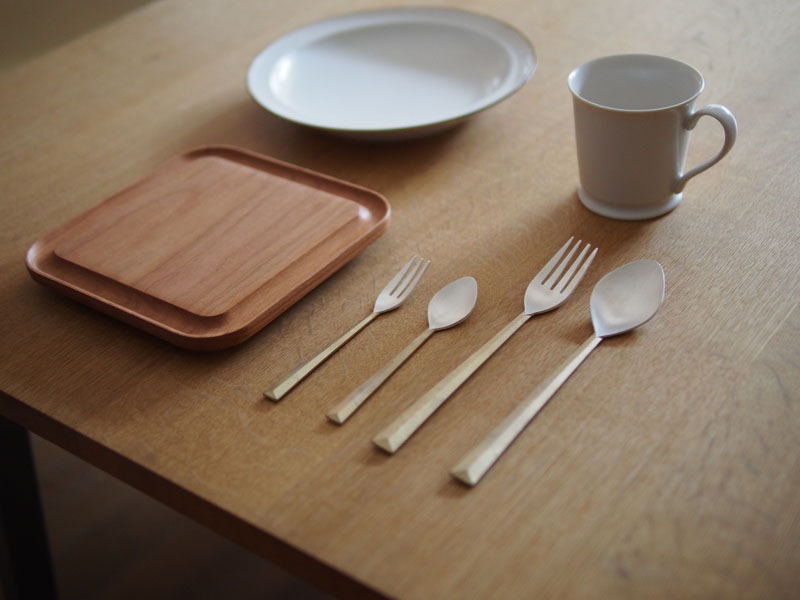
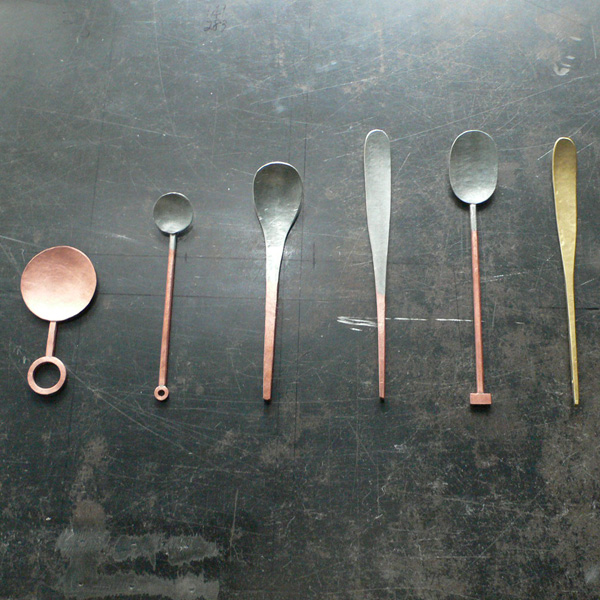
Yumi Nakamura creates rugged spoons that are teeming with gritty personalities. Working mainly with copper and brass, she hammers out the shapes – an ancient process that dates back to the the Yayoi Period (300 BC – 300AD) these types of metallic material first entered Japan. Back then, everything from vessels and mirrors to swords and shields were made this way.

The spoons are available through CIBONE (1,995 – 3,150 yen). If you need help ordering from abroad click here for assistance.

Harmony | glass and ceramic together under one roof

all images courtesy MA2 Gallery
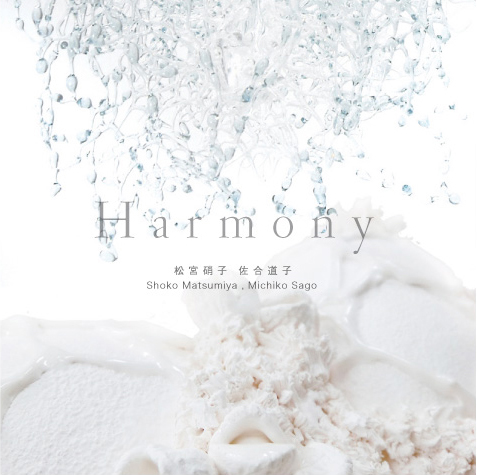
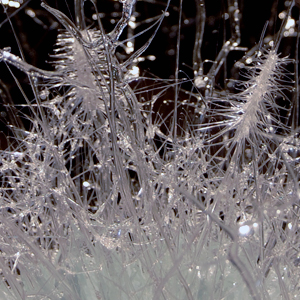
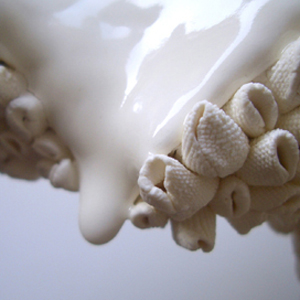
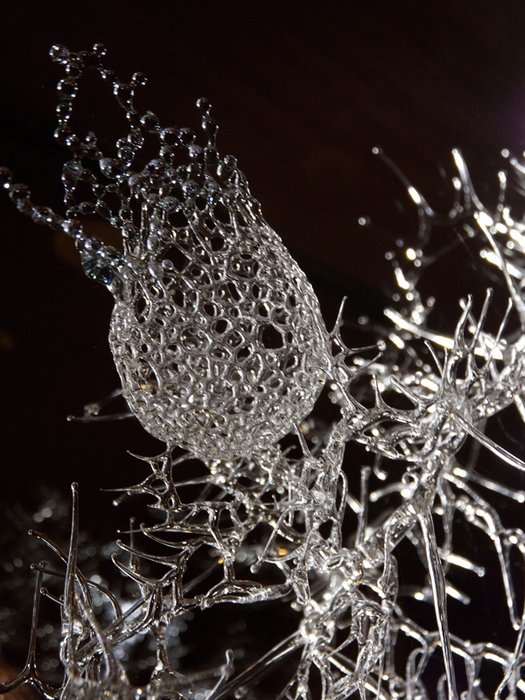
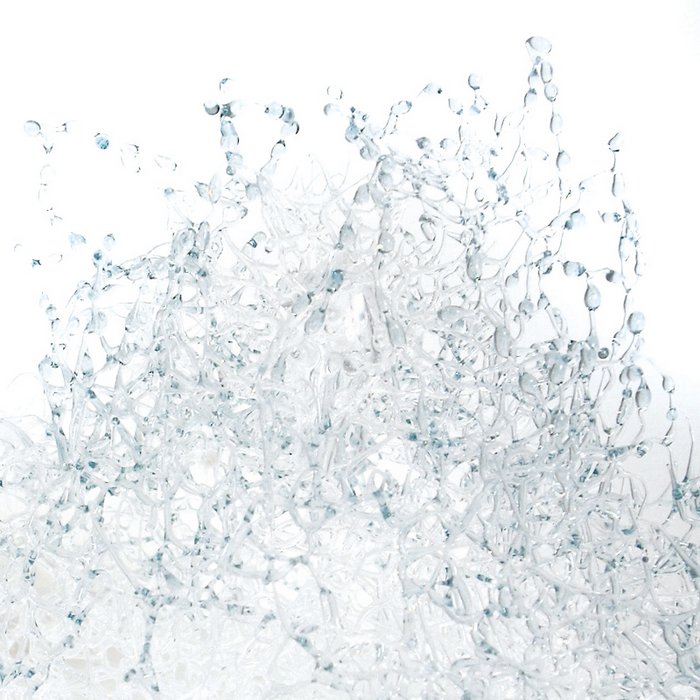
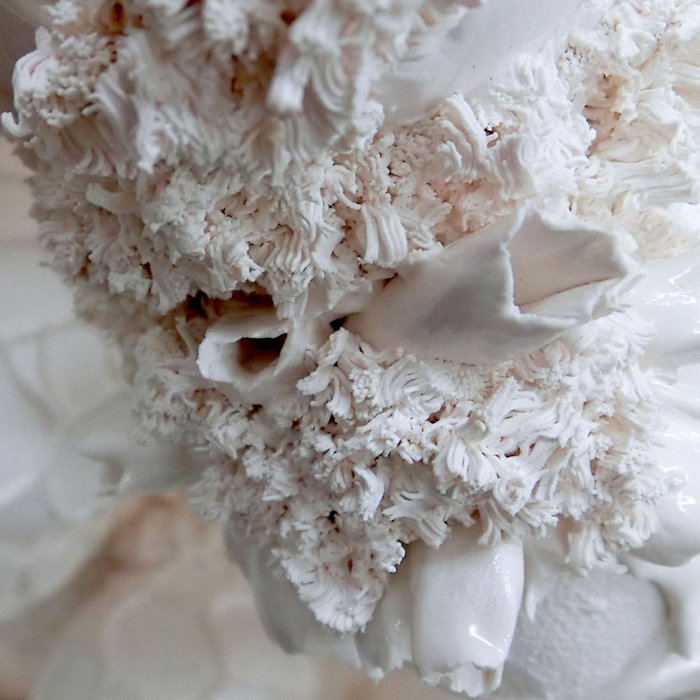
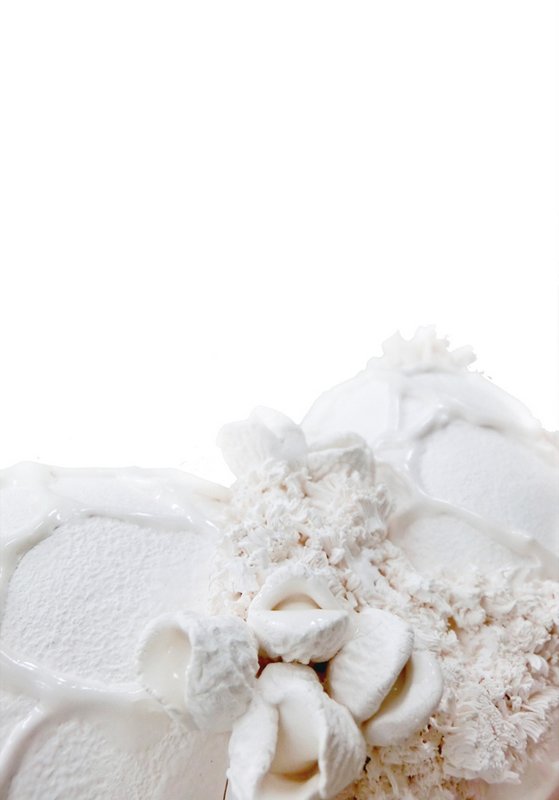
In a new exhibition at MA2 Gallery in Tokyo, the extraordinary work of two female artists is put on display in “Harmony.” The show, which just opened over the weekend and runs through August 12, features the glass organism-like sculptures of Shoko Matsumiya and the ceramic “sealife” of Michiko Sago. As the title of the show implies, one of the most interesting aspects about showcasing these two artists together is that it highlights the ambiguities of what we consider to be dissimilar and similar.
Shoko Matsumiya (previously) creates what she calls “Duquheapuer” (pronounced duke-oo-heaper) – imaginary organism-like creatures that she conjured up as a child. The artist smashes soda bottles and, using only glue and the occasional blow-torch, assembles the shards into intricate sculptures.

Michiko Sago creates equally intricate forms that showcase the possibilities of porcelain. From shiny and dull to smooth and prickly, they not only resemble deep-sea creatures but they also demonstrate a similar diversity.

thanks to MA2 Gallery for providing images
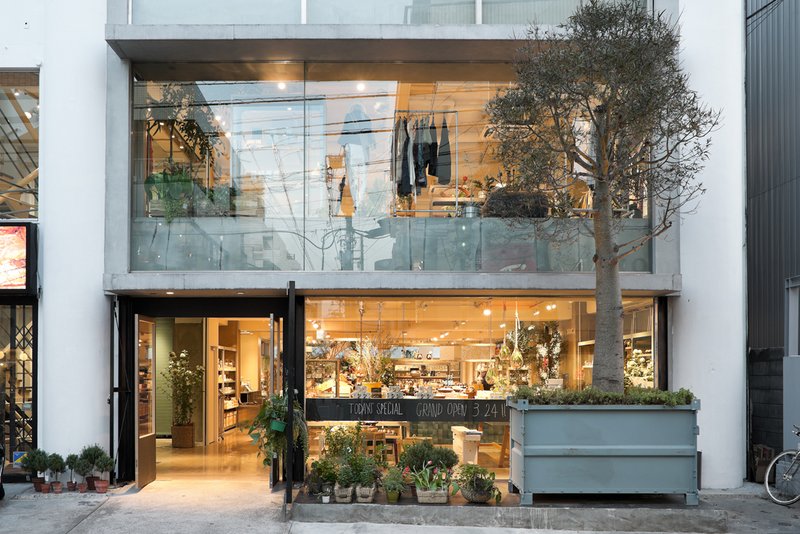
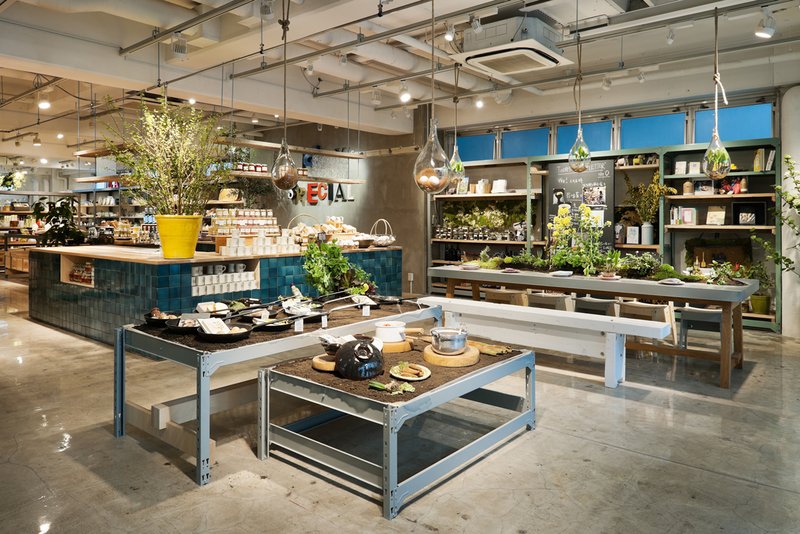
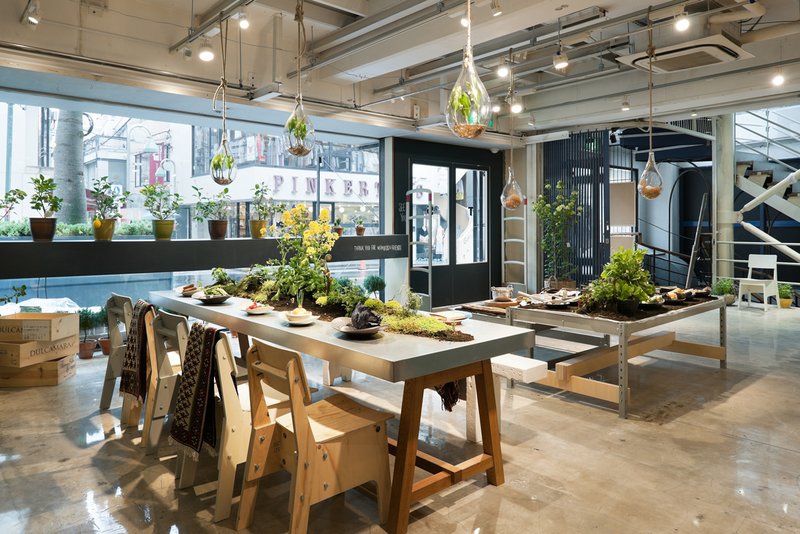
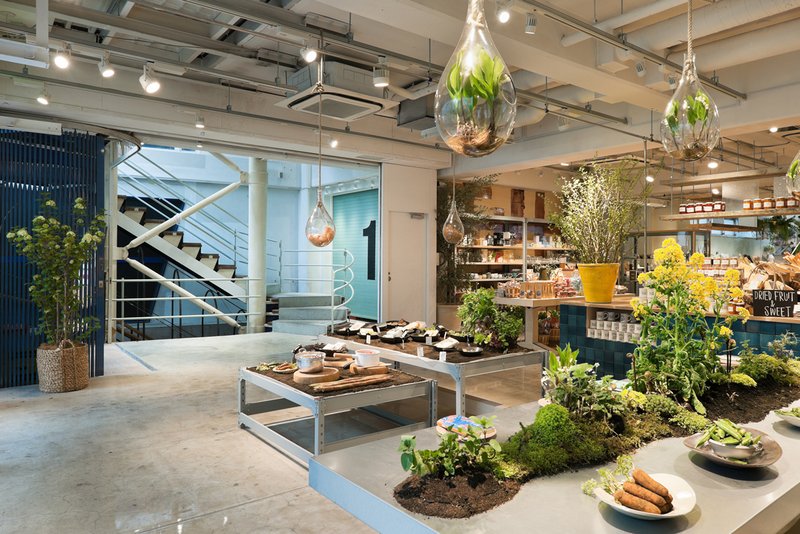
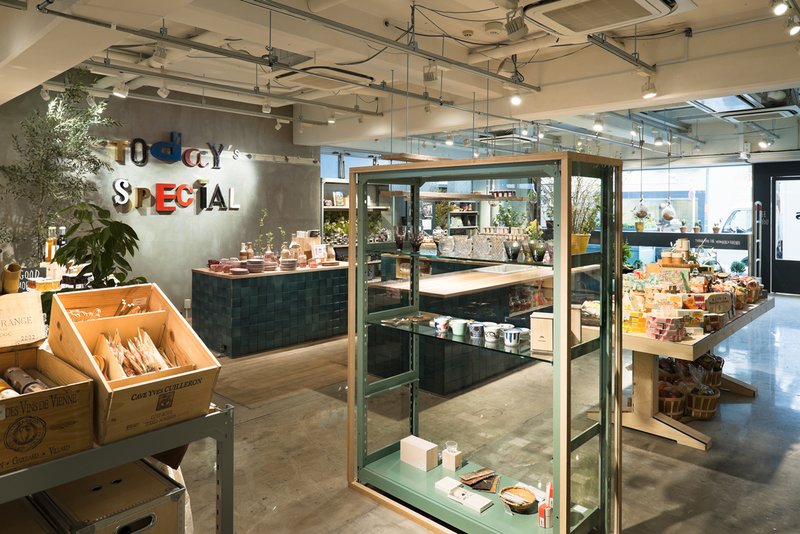
Today’s Special | a new design destination reopens in Tokyo

all photos by Takumi Ota | click to enlarge

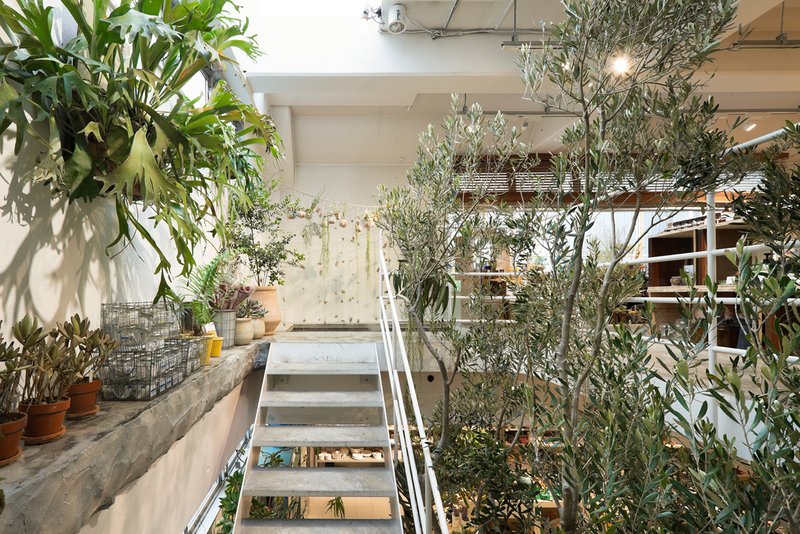
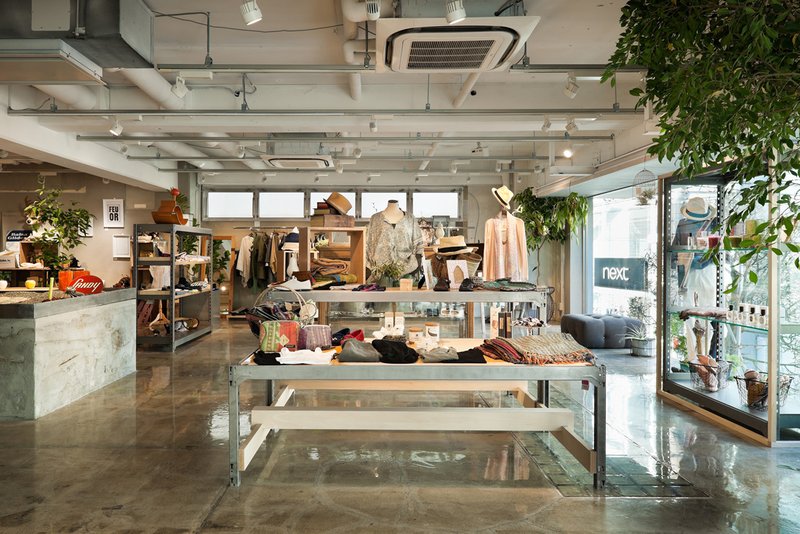
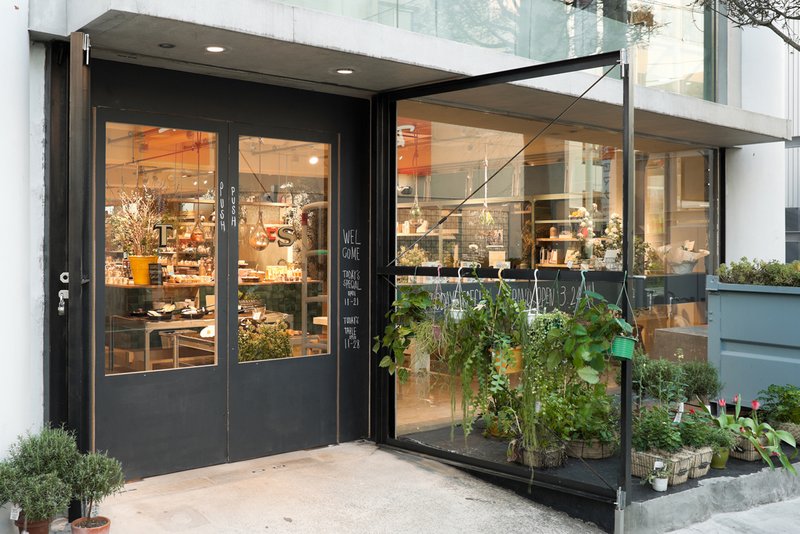
Within the over-crowded industry of lifestyle and interior select shops in Tokyo, CIBONE has managed differentiate themselves largely by collaborating with Norwegian designers on exclusive products. And with only 2 stores in Tokyo, they’ve managed to maintain their footing for quite some time now thanks, in part, to a Nordic trend that appears to have Japan in a never-ending trance.

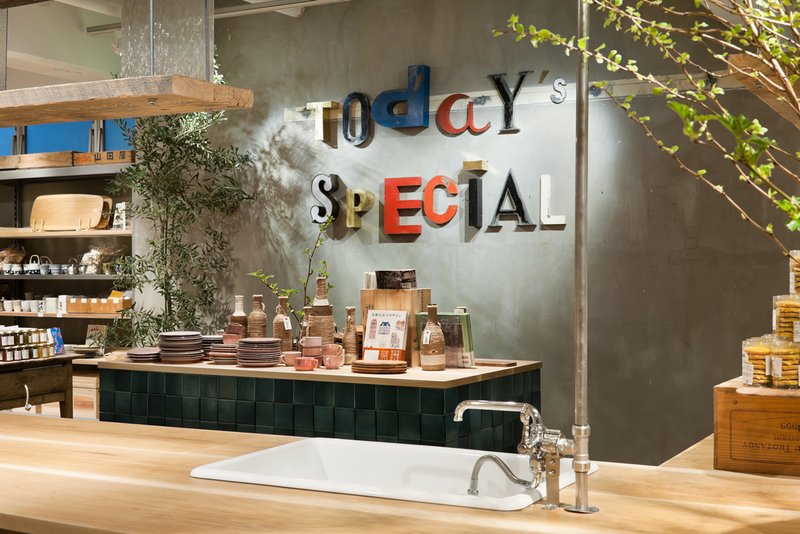
But the stores, owned by Welcome, indicated a shift in strategy when they rebranded their Jiyuugaoka store and reopened as Today’s Special back in March. CIBONE has always tried to allow their customers to be, what they call, “urban explorers.” That is, to explore their eclectic selection of goods, letting them choose and define their own adventure/shopping experience. Their new store, designed by Jo Nagasaka of Schemata Architects, takes the concept even further, creating a jungle-like interior that blends chaos with cohesiveness. As you walk through the store you will encounter, along with dainty cups and saucers, shrubs, trees, moss and hanging terrariums.

What I love most about this store is all the contrasting elements: from materials to display shelving and even the typography used. Be sure to check it out if you are in the Jiyugaoka area.

Source: press release | Today’s Special | Jo Nagasaka

Yuji Honbori | an environmentally friendly path to enlightenment

works_ph01

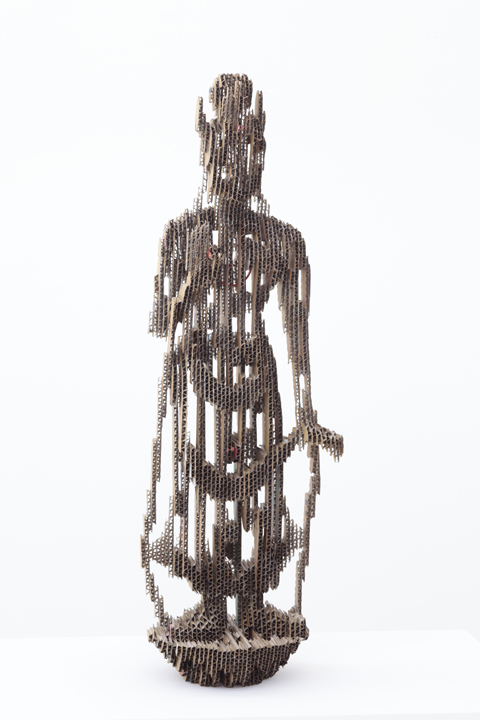
“BUTSU” (2011 )| all images courtesy Nanzuka Underground

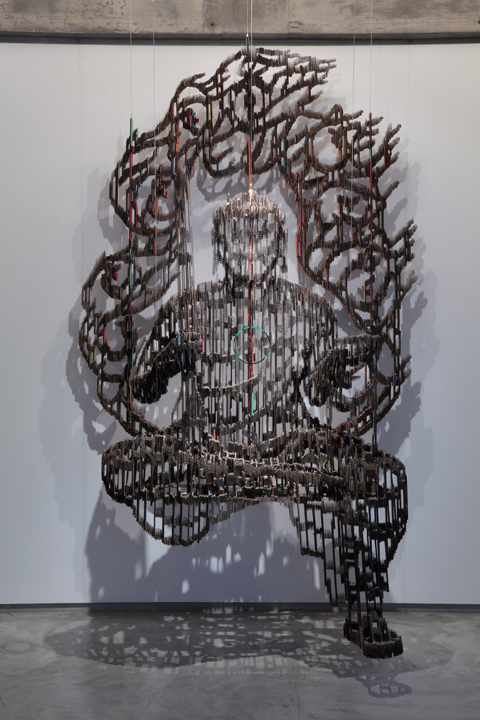
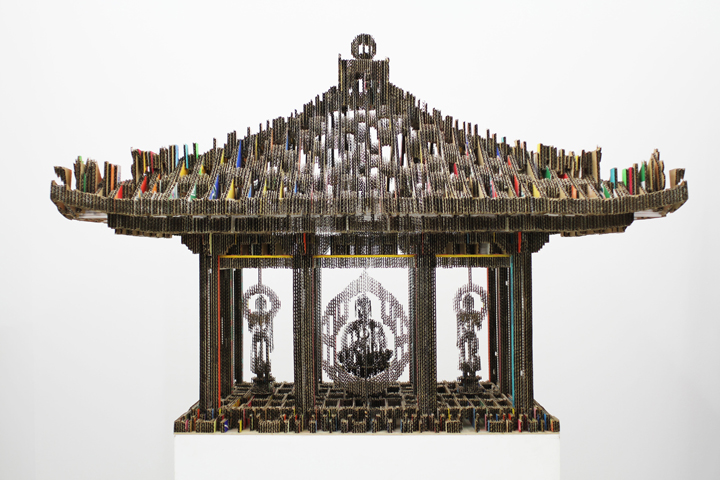
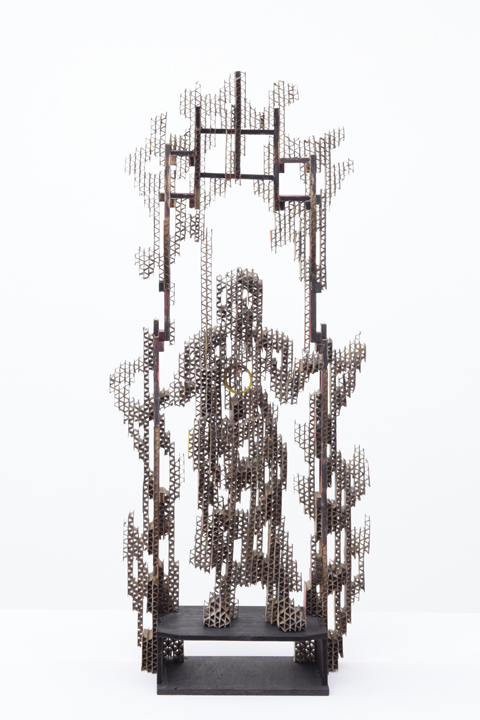
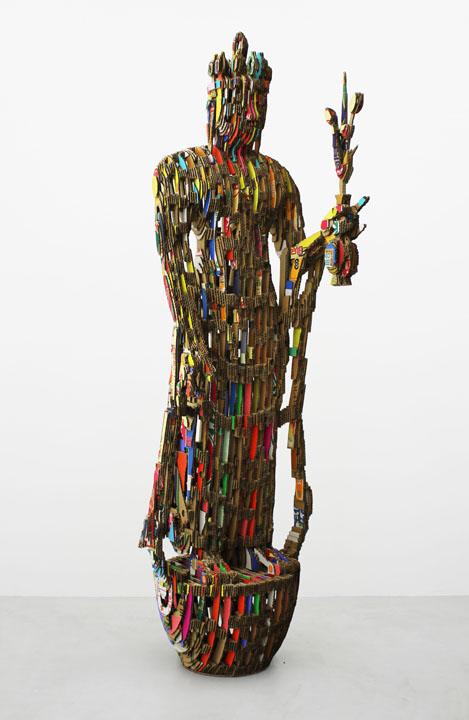
The airy Buddhist deities and temples made by 54-year old sculptor Yuji Honbori at first appear to be made from some sort of metallic material. But you soon realize that they’re undoubtedly much lighter than they first appeared. The Kobe-based artist sculpts them all from discarded cardboard that is on its way to the garbage bin. Snatching them from their destiny, Honbori meticulously transforms them into venerable objects of worship.

works_ph07

“Butsu Hall with buddha” (2012)

I stumbled upon this BBC clip from 2010 the explains a bit about the creative process.

Honbori has always been interested in recycled materials, but not in a devotional way. He got his start making large-scale sculptures out of wood from demolished houses. But it wasn’t until 8 years ago when he was working with wood from a demolished temple that he got the idea. And since then he’s been fascinated with how one man’s trash can be another man’s treasure. His work was most recently part of the Hong Kong International Art Fair in May, as well as Art Fair Tokyo in late March/early April.


“Butsu eleven faced Goddness of Mercy” (2012)

捨てる紙あれば拾う神あり、ということですね。

Keiichi Tanaami | A bridge to psychedelia

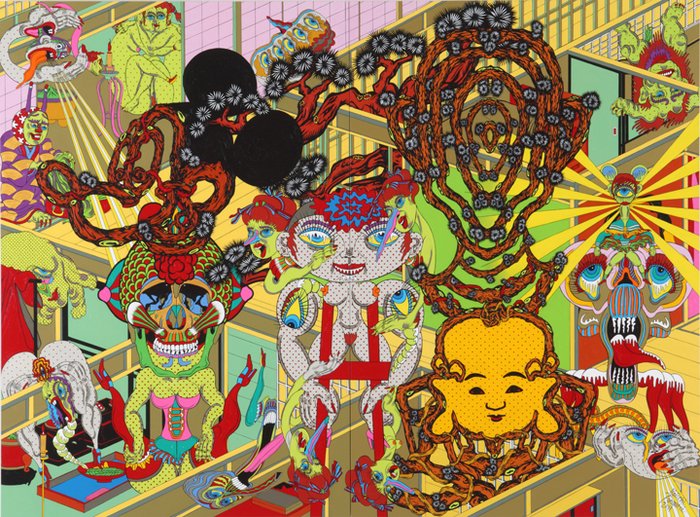
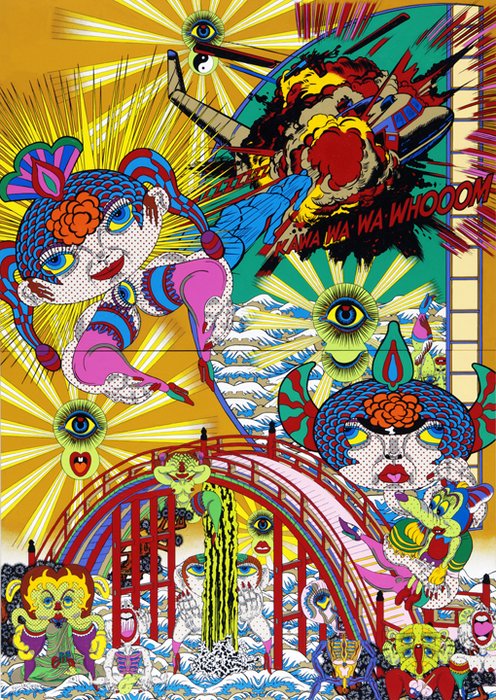
“The Bridge to Another World” (2011) | click all images to enlarge

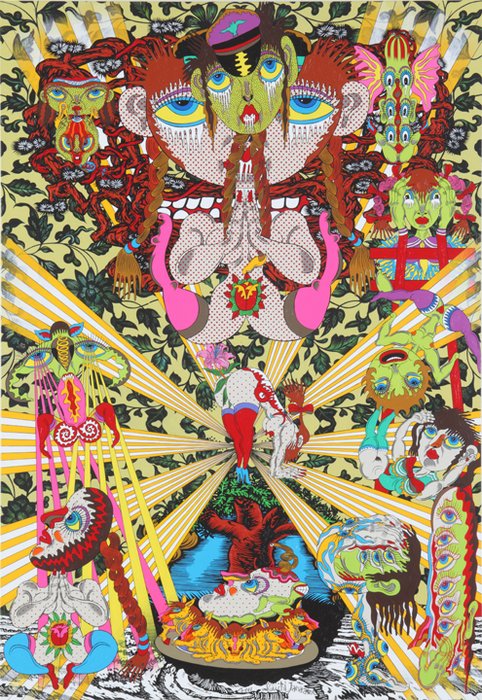
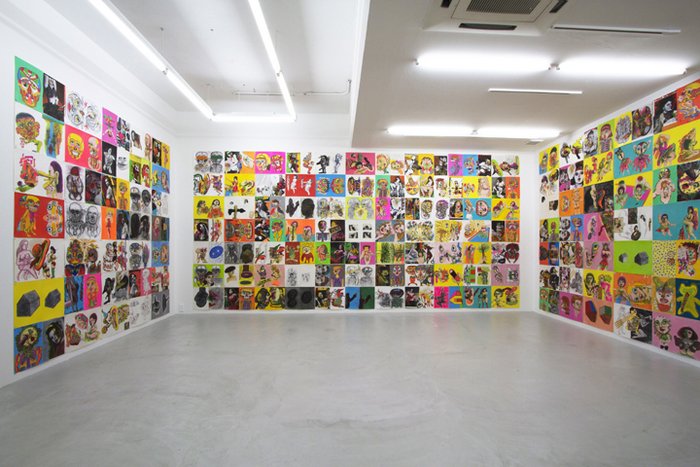
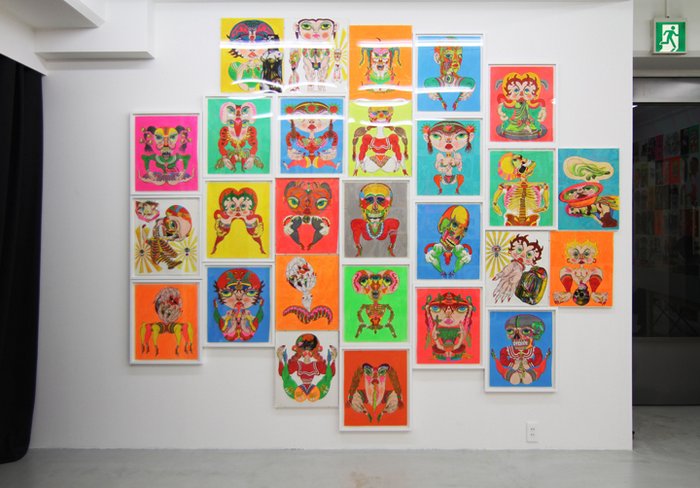
At the age of 76, Keiichi Tanaami remains the unlikely king of Japanese psychedelic pop-art. His imagery is as vivid as the colors he uses, but his style is more a function of his experiences, rather than an adherence to any certain genre. To understand his art one simply needs a brief history lesson into the artist himself. Highlights include experiencing the Great Tokyo Air Raid at age 9, experimenting with LSD in his 20s, travelling to New York and meeting Andy Warhol at age 31, and becoming the first art director of Playboy Magazine (Japan) at age 39. Indeed, Tanaami is one of the few artists who have managed to successfully juggle careers in fine art, illustration and graphic design.

And he’s still going strong. A solo exhibition of his works opened at Nanzuka Underground in Tokyo over the weekend and runs till August 5th.

“A Feast with Freaks” (2011)

“Red Colored Bridge” (2011)

“The Feast” (2011)

source: Nanzuka Underground | Interview

« Older posts Newer posts »

© 2026 Spoon & Tamago

Up ↑

Design by Bento Graphics