Page 187 of 406

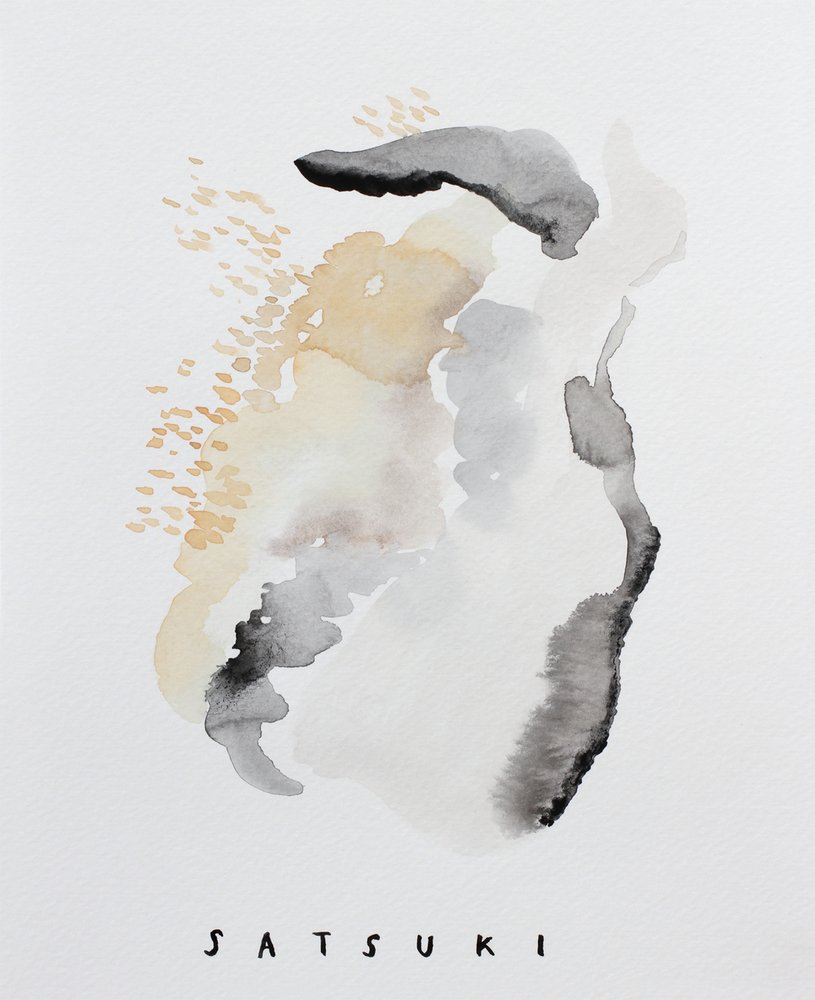
Gentle and Minimal Watercolor Prints by Satsuki Shibuya

satsuki shibuya watercolors (2)

California-based Japanese-American artist Satsuki Shibuya uses watercolors to create gentle, minimal prints. The abstract watercolors bleed together to create subtle imagery that, at times, can make you feel like you’re looking at Rorschach test to determine how peaceful you are. I wasn’t surprised to learn that she takes visual inspiration from the Japanese faux-Finnish brand Mina Perhonen, but I was surprised that she counts Shigeru Ban and Rei Kawakubo as favorite artists.
Continue reading

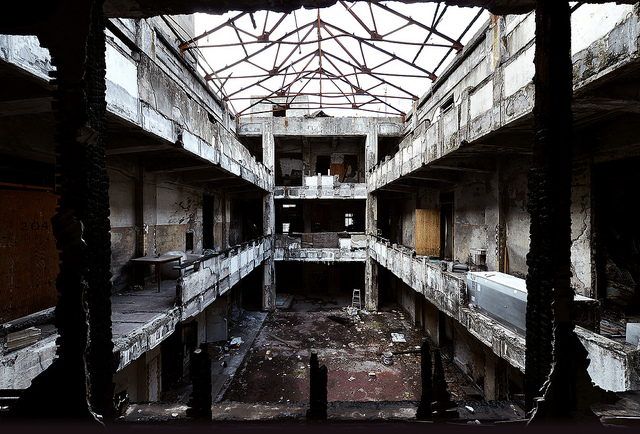
A look inside the Seika Dormitory – Urban ruins in the middle of Tokyo

seika dormitory photographs

The place is the Bunkyo ward of Tokyo, and the year is 2012. In the middle of the ever-new city, the ruins of the Seika dormitory stand as a testimony of a major fire that tore down the building in 2007. Formerly housing Chinese and Taiwanese students, the still-life ruins were left vastly untouched and unvisited except for the occasional Haikyo photographer on the hunt for an urban exploration.

Tokyo’s infamous bulldozers cleared away the charred walls, torn down furniture and molten keyboards in 2013, leaving us with only a few accounts of the site. Fortunately, a few spectacular glimpses were captured by two photographers and a videomaker: Belgium-based Suspiciousminds, Japan’s TomBoy and France’s Kitsuney.

Continue reading

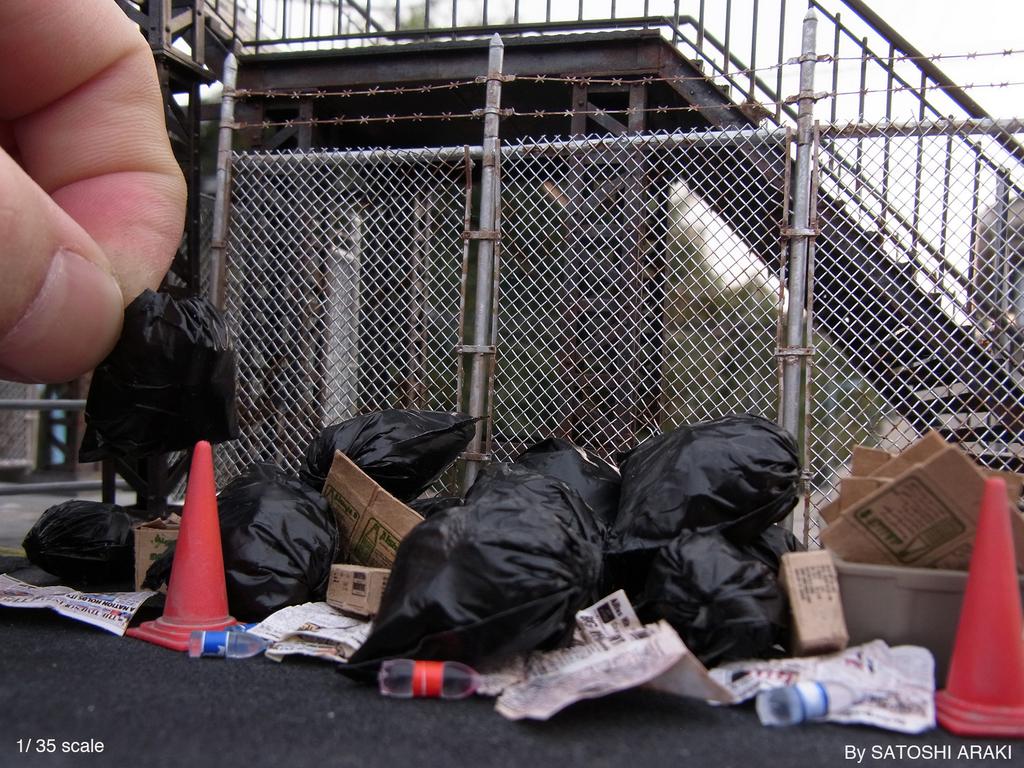
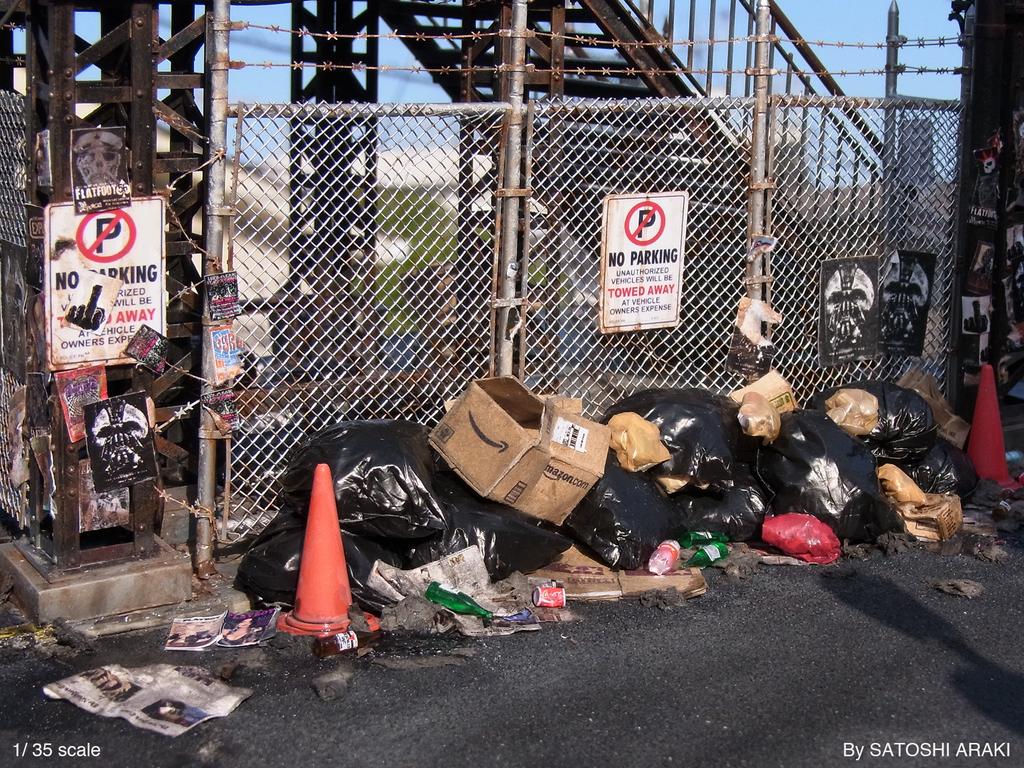
Miniature Dioramas of Bombed Out and Littered Cites by Satoshi Araki

miniature models by Satoshi Araki

miniature diorama of a garbage dump

miniature models by Satoshi Araki

The world of Japanese miniature art is vast and deep. We’ve devoted several articles to highlighting various artists who create miniature worlds out of everything from toy train tracks and wood to human hair. Satoshi Araki is an artist worth noting, not for his use of odd materials, but for his emphasis on teeny tiny details.

The 45-year old Tokyo-based artist makes a living by crafting miniature models of towns, cars, bicycles and almost anything. But his specialty seems to be chaotic cityscapes that are the result of urban decay or warfare.

Continue reading

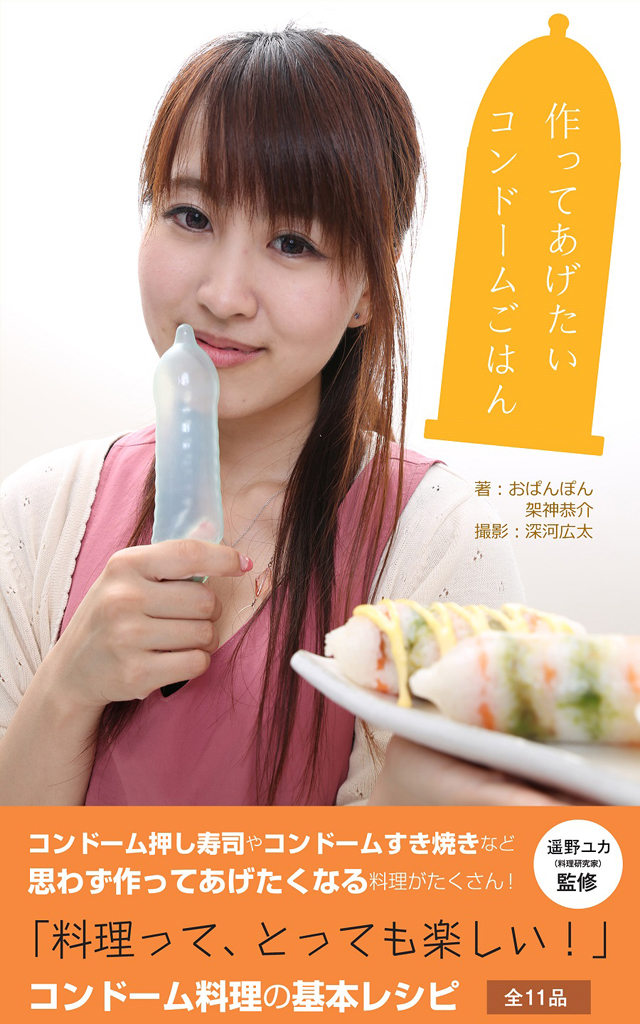
Japanese Condom Cookbook to Raise Awareness For Protected Sex

Japanese condom cookbook

tsukutte agetai condomu gohan (作ってあげたいコンドームごはん) which roughly translates as, “I want to cook condom food for you.”

In the past several years condom usage in Japan has continued to fall, resulting in a dramatic rise in cases of HIV and other sexually transmitted diseases. In fact, a 2008 global survey * put Japan in bottom 3rd for condom usage, despite estimates that the country produces between 20-30% of all condoms. So to help raise awareness for condoms in Japan, and close the gap between producer and user, Japanese authors Kyosuke Kagami and Opanpon have co-written a book that incorporates condoms into one of Japan’s most beloved customs: cooking.

Continue reading

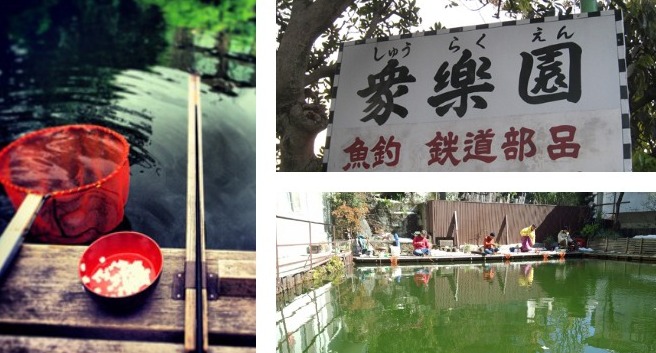
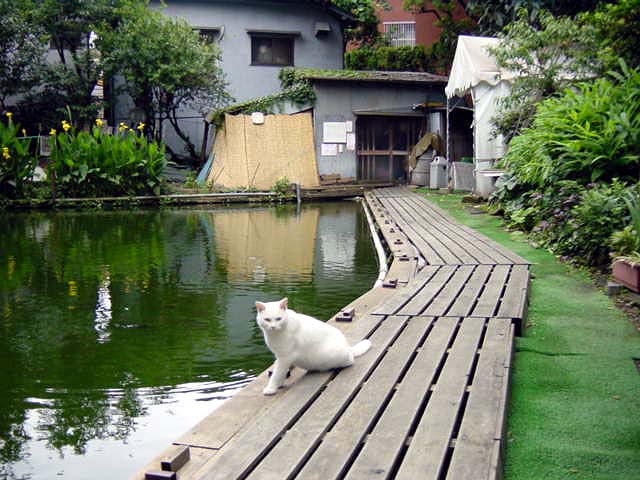
Shurakuen: one of the last remaining tsuribori in tokyo

shurakuen tsuribori tokyo fishing

Those who have easy access to rivers or oceans may laugh at Japan’s unique tsuribori. But at the manmade fishing pools that lie unexpectedly in the middle of the city, times moves slower, the surroundings are quieter and everyone is at ease. And for those who value convenience, tsuribori are perfect. You don’t need to wake up early and you don’t need to lug a bunch of supplies. You just show up.

Unfortunately, tsuribori are becoming increasingly scarce as the ponds also offer valuable real estate for new condos. But Shurakuen, in the upscale neighborhood of Minami-Azabu, has become the unlikely contender. After more than 80 years it’s still going strong and is a favorite amongst locals to kick back and relax.

[Shurakuen]
3-9-6 Minami-Azabu, Minato-ku (Google Map)
8:00 – 16:00
TEL:03-3473-2529
Closed 2nd and 4th Wednesdays of the month
600 yen per hour (additional 200 yen for pole rental)
shurakuen tsuribori tokyo fishing

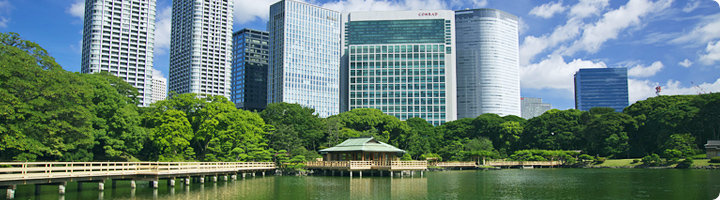
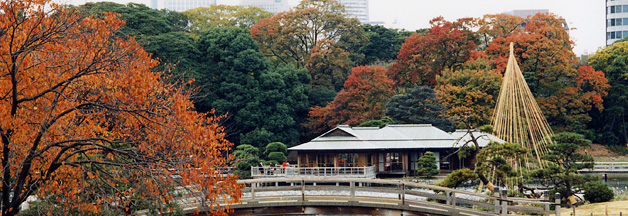
Hamarikyu Gardens: an oasis hidden between sky-rise buildings

hamarikyu gardens

If you need a breather from fast-paced Tokyo, head to the Hamarikyu Gardens. The public park, located at the mouth of the Sumida River, is steeped in 400 years of history and is sure to calm your nerves. After all, that’s what the Shogun used it for. That’s right: up until the mid-17th century the park belonged to the Tokugawa Shogun family, who used it for leisurely activities like takagari falconry.

The park is also a rarity in that it’s the only park in Tokyo with a seawater lake and functioning water gate that adjusts for water levels depending on the tide.

[Hamarikyu Gardens]
1-1 Hamarikyu teien, Chuo-ku (Google Map)
9:00 – 17:00
03-3541-0200
General admission is 300 yen
hamarikyu gardens

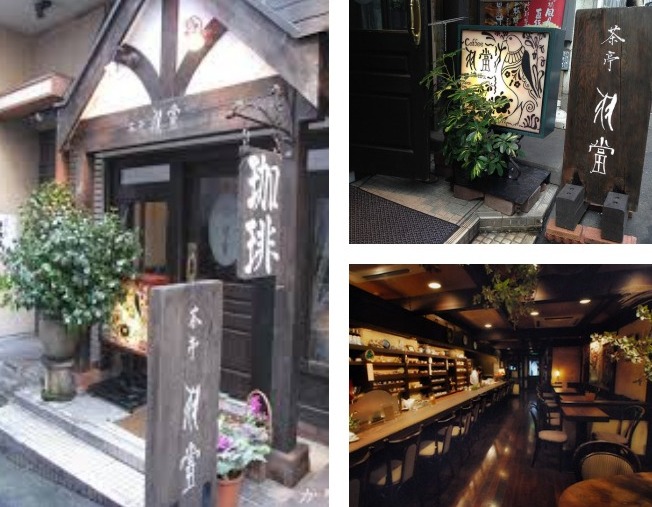
Chatei Hatou: a nostalgic kissaten in Shibuya

chatei hatou kissaten coffee

If you want to trace the roots of coffee in Japan, then Chatei Hatou must be on your list of places to go. The 25-year old kissaten is a 3-min walk from Shibuya station. And nestled between an okonomiyaki grill and a bare on a sloping street, the dimly lit coffee shop is practically a grandfather in Shibuya years. James Freeman, founder of Blue Bottle Coffee, discovered the joint in 2007 and it’s partly responsible for what Blue Bottle is today. “A single cup costs between $8 and $15, but that seems worth it to experience what Freeman likens to ‘drinking a mink coat’.”

[Chatei Hatou]
– 1-15-9 Shibuya-ku, Shibuya (Google Map)
– Tel: 03-3400-9088
– Hours: 11:00 ~ 23:30

The 3 Booths Not To Miss at the 2014 Tokyo Game Show

TGS2014 Tokyo Game Show 2014 logo
The Tokyo Game Show is a mecca for anyone interested, even remotely, in games. People go for the all the latest in the gaming industry, but also to ogle at new technology, computers, girls (usually in cosplay) and many other reasons. But one of the biggest attractions are the creative and entertaining booths or kiosks that vendors set up. So if you’re heading to the 2014 Tokyo Game Show this weekend, here are the 3 you don’t want to miss. Not because they’re the best but simply because you won’t believe they exist unless you see them in person.

Continue reading

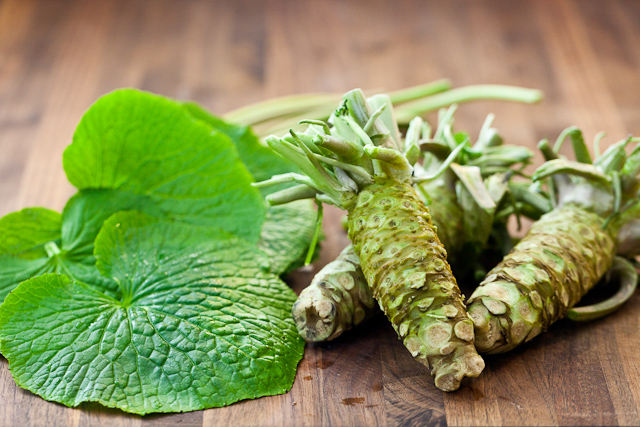
Wasabi: the hardest plant to grow in the world

wasabi root the hardest plant to grow in the world

wasabi root: the hardest plant to grow in the world

I stumbled upon an interesting article that shed light on many things I suspected but never actually confirmed about wasabi. Apparently, it’s “deemed by most experts to be the most difficult plant in the world to grow commercially.” But why? The article outlines the following challenges:

  1. Cultivation: it’s grown unlike any other plant. It needs plenty of water but it can’t be submerged like a water-lily. “In general, water flows over the crop, so it’s grown in water beds and that’s not something we commonly do in North America.”
  2. Access: one wasabi farmer said it took 6 years simply to get access to viable seeds.
  3. Temperment: too much humidity or the wrong nutrient composition can wipe out an entire crop of finicky wasabi.
  4. Development: wasabi takes just over a year to mature, which means that farmers have to be patient before money starts coming in.
  5. Scale: wasabi is especially prone to disease when planted on a large scale.

Continue reading

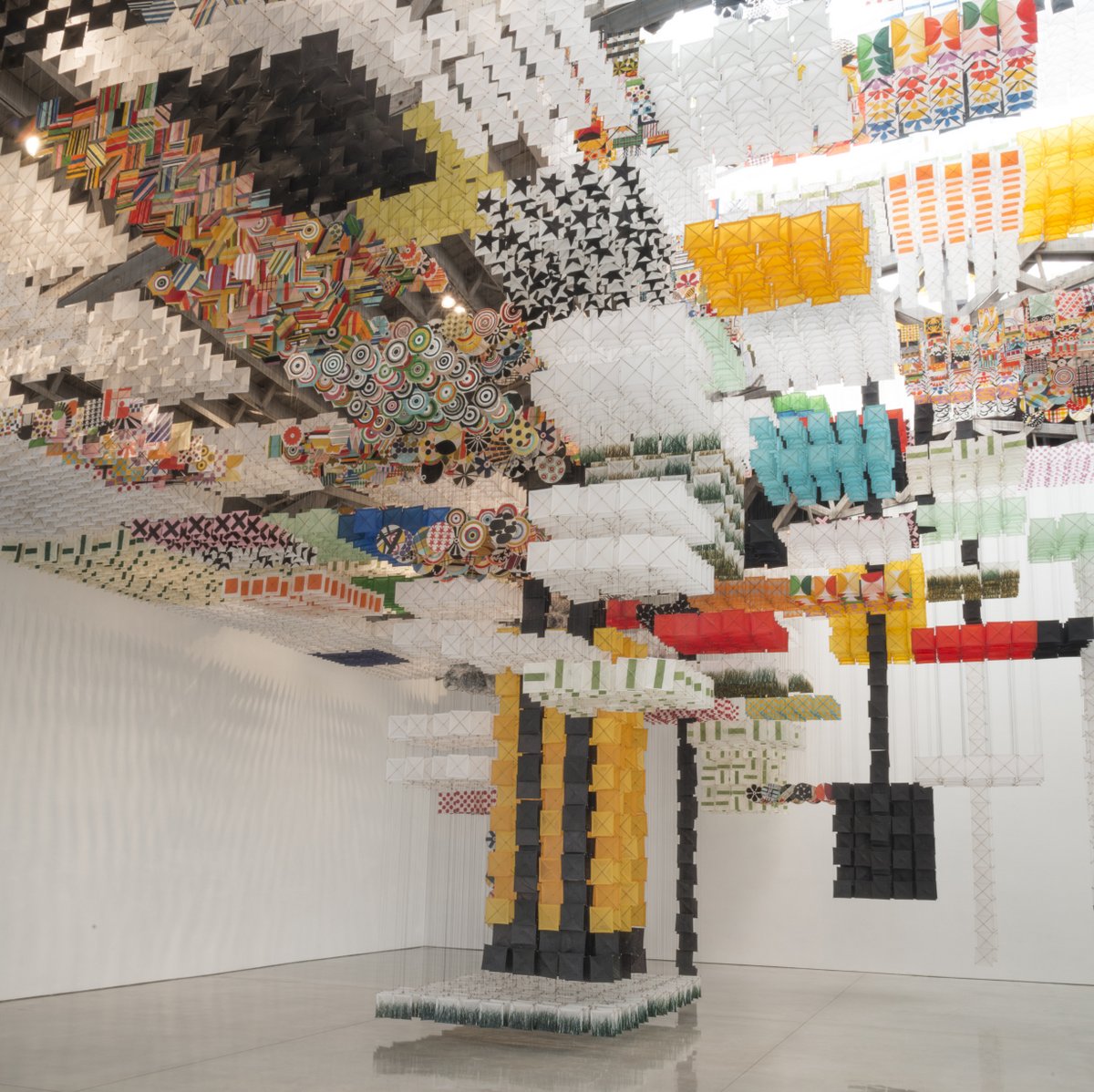
An Immersive Fortress of 30,000 Paper Kites by Jacob Hashimoto

Skyfarm Fortress by Jacob Hashimoto at Mary Boone

JACOB HASHIMOTO. Skyfarm Fortress (installation view). COURTESY: MARY BOONE GALLERY, NEW YORK | click images to enlarge

Sometime during the 12th century in Japan, a famous samurai (Minamoto no Tametomo), who disobeyed the emperor, was punished by being exiled to a small island with his son. In an attempt to save at least his son the warrior constructed a large kite from bamboo. He then tied his son to the kite and lifted him back to the mainland. The story lives on in Japan, as does the tradition of kites, and is perhaps one of the reasons why “congratulation kites” are given to first born sons. Perhaps it’s also the reason why, when artist Jacob Hashimoto asked his father for career advice, he answered, “Man, you need a hobby. Why don’t you build kites?

Continue reading

« Older posts Newer posts »

© 2026 Spoon & Tamago

Up ↑

Design by Bento Graphics