Page 183 of 406

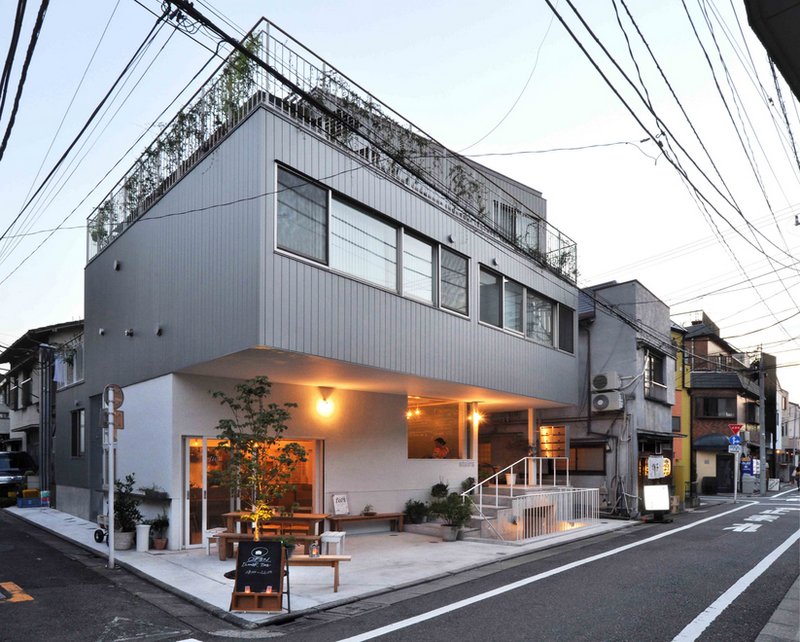
A Tokyo Apartment With a Built-In Cafeteria

Apartments with a small restaurant

When the Chairman of a local shopping street and his son decided it was time to tear down their old building, they didn’t want just another condo in its place. They wanted something that would interact with the local community and stimulate what they called the “small economy.” Working together with architects Toshiharu Naka and Yuri Uno, the team came up with an apartment with a built-in cafeteria on the ground level that would also serve as a restaurant.
Continue reading

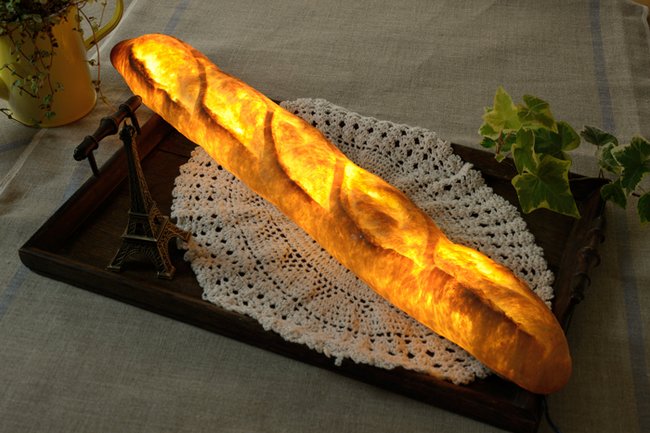
Pampshade: Lamps Made From Actual Loaves of Bread

pampshade by Yukiko Morita

Another neat design that caught our eye at Tokyo Design Week is the Pampshade. Taking the word pan – bread in Japanese, derived from the Portuguese word pao – and combining it with the word lampshade (why wouldn’t you?) yields the Pampshade.

Continue reading

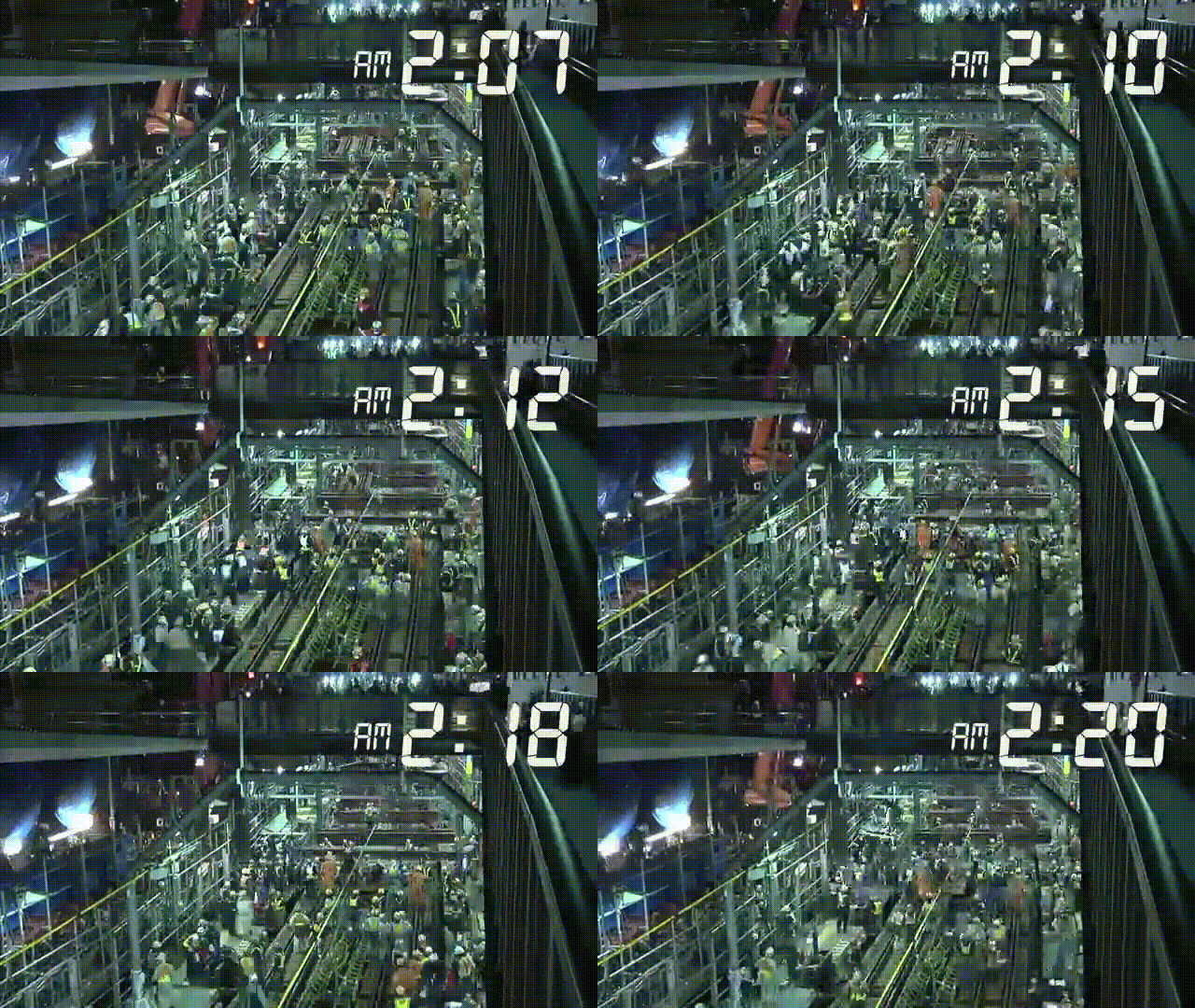
1200 Station Workers in Tokyo Shift Tracks From Above to Underground in Just One Night

Daikanyama station tracks move underground

Last year on March 15 the platforms for the Toyoko Line at Shibuya Station moved from the second floor to the fifth floor basement, ending the 85-year history of above-ground operations. The event drew large crowds of train aficionados and their cameras who gathered in hordes to bid farewell to the very last train.

Continue reading

The Single Stroke Artwork of Kazuhiko Okushita

Kazuhiko Okushita

“a pet jellyfish in your twitter timeline”

Film director and animator Kazuhiko Okushita creates unique artwork using a technique known as ippitsugaki – one of those great Japanese words that doesn’t really have an English equivalent. In essence, Okushita’s work, whether its a still drawing, an animated gif or a short film, is all made from a single, continuous stroke.

Continue reading

Analysis: Japan’s Zombie Outbreak Preparedness

(originally published on October 23, 2011)

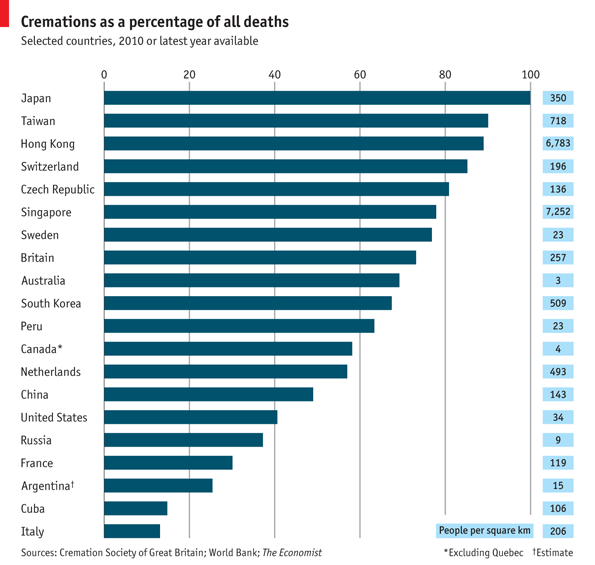
Each year, around this time, it’s highly recommended that you review your zombie outbreak preparedness plan – experts say it’s not a matter of if, but when. With a cremation rate of that’s nearly 100% , Japan and their corpse count, or lack thereof, would seem an ideal place to to ride out a plague of the undead. In the text that follows I would like to analyze the pros and cons of the East vs. the West, so that each of us can make informed decisions regarding our own contingency plans for the impending zombie pandemic.

japan cremation rate

image courtesy The Economist

Continue reading

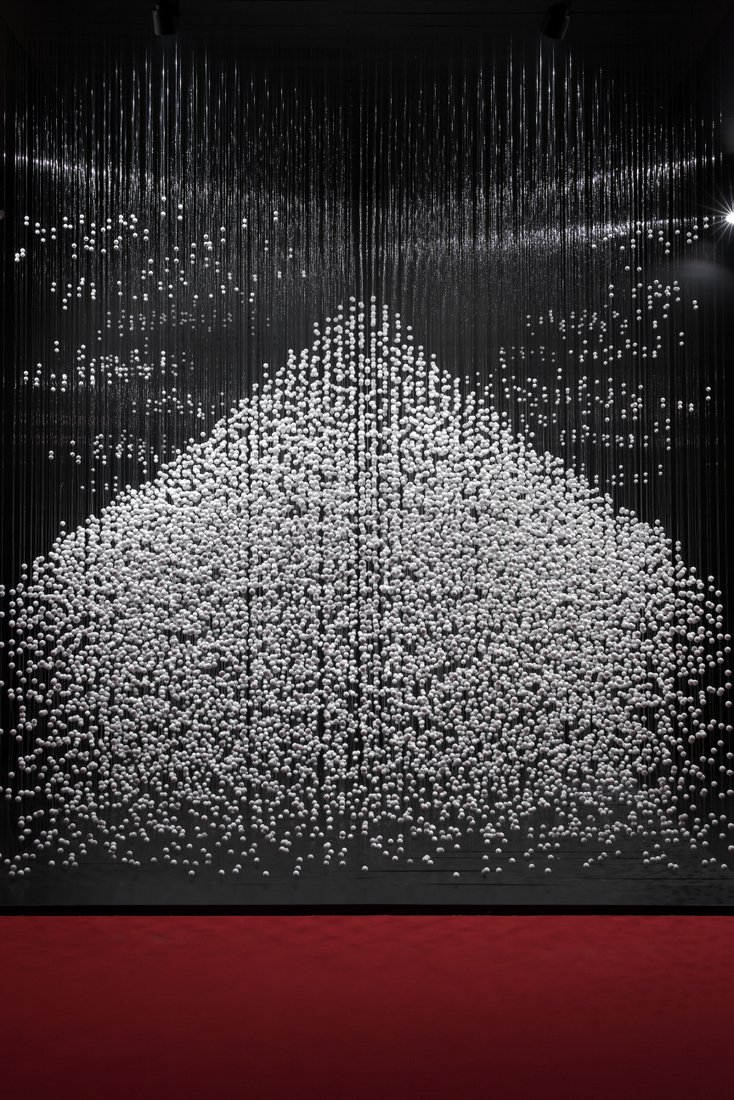
A Three Dimensional Sculpture of Mt. Fuji Made From Hundreds of Suspended Balls

Into Hokusai by Gwenael Nicolas at TDW Tokyo Designers Week

“Into Hokusai” by Gwenael Nicolas | photos courtesy the artist

One of the more exciting shows taking place during the 2014 Tokyo Design Week is the Hokusai Manga Inspired Exhibition. Linking past and contemporary artists, the exhibition showcases various works inspired by the ukiyo-e artist Katsushika Hokusai. Placed right at the entrance of the show is the work of long-time Tokyo resident and architect Gwenael Nicolas.

Continue reading

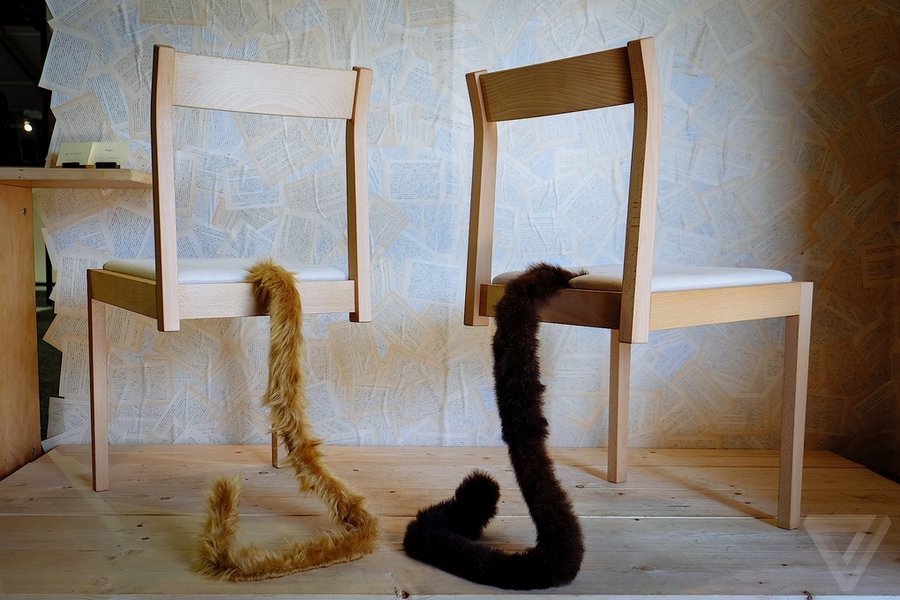
Shippo tail chair at the 2014 Tokyo Designers Week

shippo tail chair

photo courtesy The Verge

The annual Tokyo Designers Week kicked off over the weekend with various events continuing through this week. There’s always a ton of stuff going on and it’s easy to get lost in all of it, but here’s one thing that caught our eye. “Shippo” (literally, tail in Japanese) is precarious-looking chair that appears to be balancing on a long tail. The chair is actually incredibly stable and it’s a cool illusion that also makes for a whimsical product. It was designed by Martin & Ocean, who seem to be a Japanese design unit but I can’t find any information on them. If you know anything let us know in the comments!

Here are some other cool things that The Verge spotted. If you do attend the festivities make sure you check out the Hokusai manga inspired exhibition.

this post is part of a series of posts on the 2014 Tokyo Designers Week. You can find them all archived here.

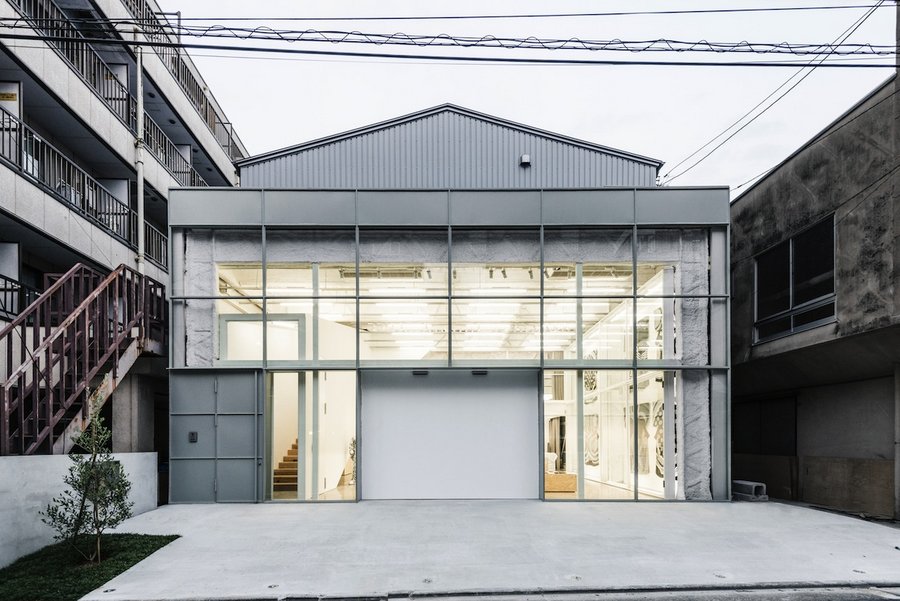
Kimono Artist Hiroko Takahashi’s New Studio and Gallery Space

Kimono Artist Hiroko Takahashi New Studio

photos by Shiori Kawamoto | click to enlarge

Discontinued and abandoned factories in Japan are being given a second life. Large companies like Toshiba and Fujitsu have been converting obsolete semiconductor factories into indoor gardens where they hope to turn lettuce into cash.

But it’s not only major corporations who can play this game. Earlier this month artist Takahashi Hiroko, a textile artist who has been broadening the boundaries of kimonos by incorporating geometric, black & white patterns into the traditional wear, announced that she had relocated into a renovated steel factory in Tokyo.

Continue reading

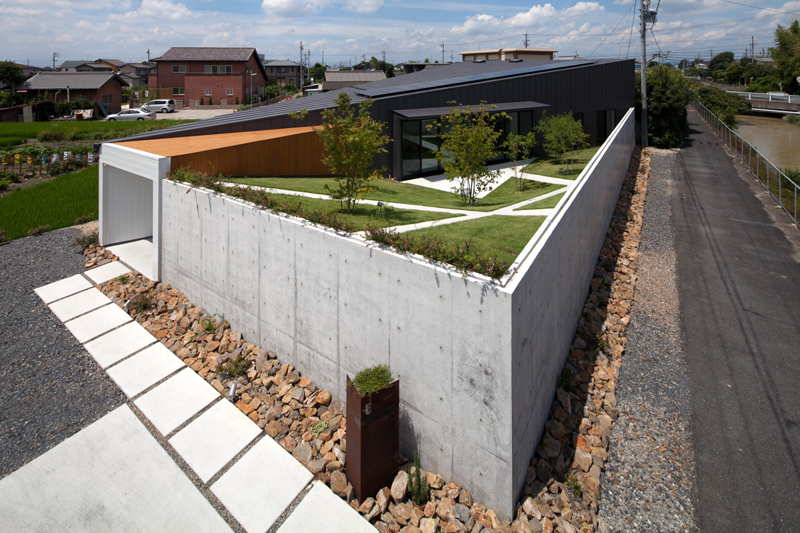
A Slanted Home With A Hidden Garden on the Roof

secretgarden

“Want to go for a walk in the park? On my roof?” That winning question could be yours if you lived in “Secret Garden,” the latest home designed by architect Hisanori Ban.

It all started many years ago when the current homeowners went camping with the family one summer. They stumbled upon a ravine and decided to venture down into it where they discovered a beautiful yet secretive spot tucked away from the other swarms of campers. After the trip the family returned home only with memories of the distant spot. Never would they think it would be reincarnated into their home.

Continue reading

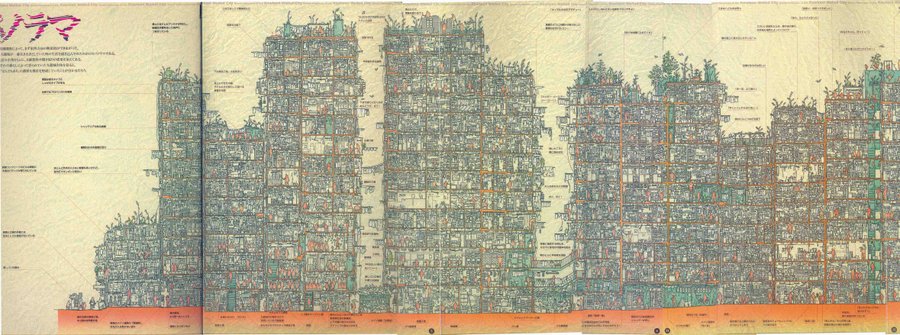
Detailed Cross-section of the Kowloon Walled City Created by Japanese Researchers

Detailed Cross-section of the Kowloon Walled City

click images to enlarge (hi-res version of the file available here)

The Kowloon Walled City in Hong Kong was once the most densely populated place on earth. And without a single architect or any oversight whatsoever, the ungoverned hive of interlinking buildings became a haven for drugs, crime and prostitution. This is perhaps why the surreal, M.C. Escher-like structure, where one couldn’t even begin to imagine what life was like, captured the interest of the Japanese.

When it was demolished in 1993 the Japanese public tuned in to national television where it was being broadcast. But what most didn’t know was that, up until the previous evening, a group of Japanese researchers, which included architects, engineers and city planners, and led by historian and cultural anthropologist Hiroaki Kani, had entered the deserted city and had been documenting every nook and cranny up until the bulldozers arrived.

Continue reading

« Older posts Newer posts »

© 2026 Spoon & Tamago

Up ↑

Design by Bento Graphics