Page 174 of 406

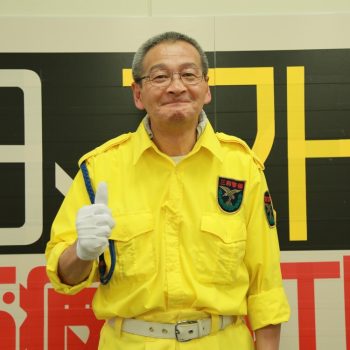
Tomatan: the wearable tomato robot that feeds you tomatoes as you run

wearable tomato project (1)

Runners from around the world descended upon Tokyo over the weekend to compete in the annual Tokyo Marathon. As usual, Dole tried to promote the banana, favored for its portability and high source of nutrients like potassium and magnesium, as the official fruit of running. But this year saw another competitor: the tomato.

Continue reading

Boulanger Kaiti: an old Japanese home renovated into a bakery

Boulanger Kaiti Fukuoka

Photos by Yousuke Harigane courtesy Movedesign | click images to enlarge


Architectural preservation is so rare to find in Japan that it warms my heart to see projects like this. When the owners of the Fukuoka-based bakery Pain de kaiti decided to open their 2nd shop they wanted to make it special. So they found an amazing, old Japanese Kominka, or traditional folk house, and decided to renovate it into a spectacular bakery.

Continue reading

A Minimal Wall Lamp Made From a Single Sheet of Paper

yoy poster wall lamp

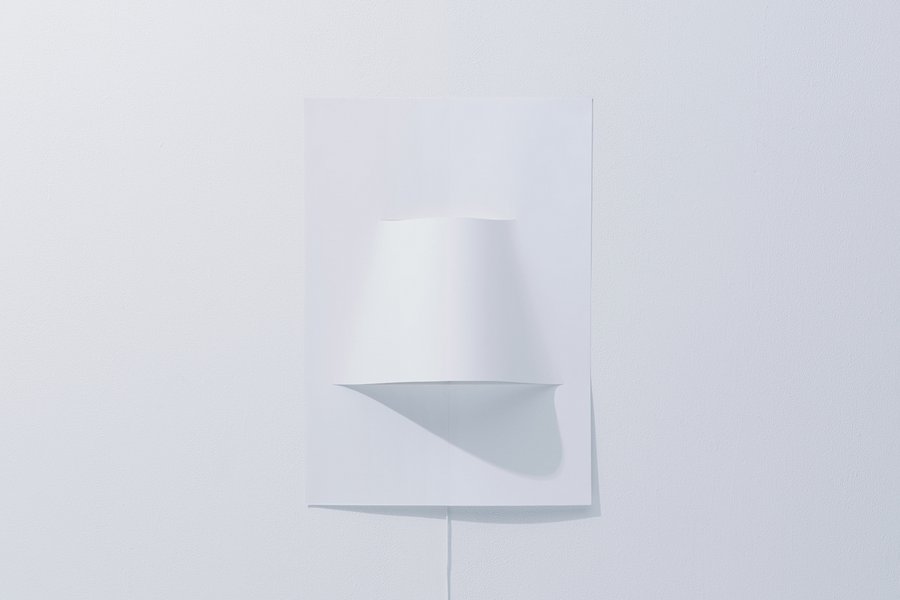
a single piece of paper turns into a minimal wall lamp | Photos by Yasuko Furukawa

Posters are ubiquitous wall ornaments. We buy them, pin them up and take them down just as fast as we go through clean underwear. But what if we could approach the lighting in our house with the same ease? That was essentially the idea behind “Poster,” a wall lamp made from a single sheet of paper.

Continue reading

Okomeya: A New Specialty Rice Shop That Wants to Bring an Old Shopping Street Back to Life

okomeya rice shop

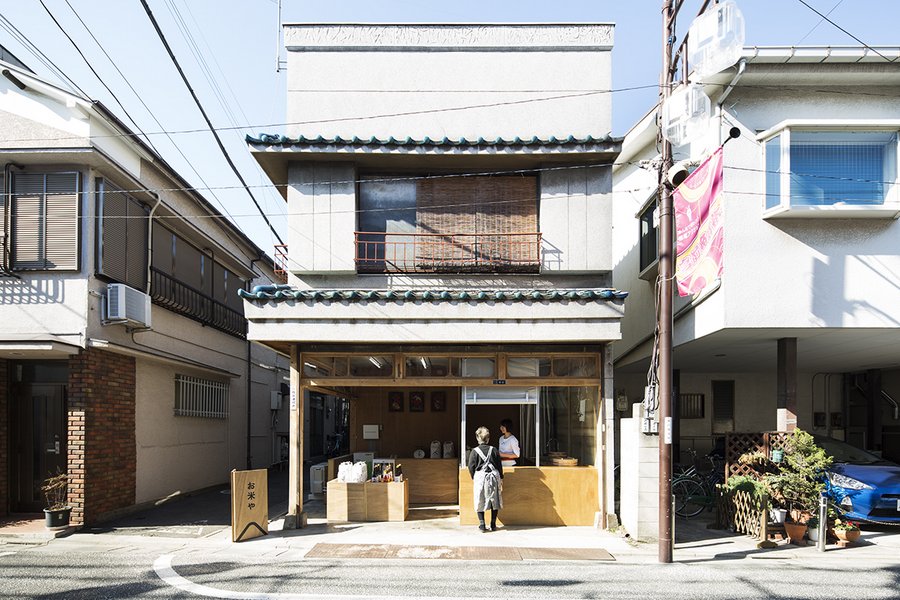
the new Okomeya rice shop is located on a historic shopping street that’s now a shadow of its former self | photos by Kenta Hasegawa courtesy Schemata Architects


The Miyakawa Shotengai in Shinagawa dates back to 1950. But even before it was a shotengai (or, shopping street) the pathway, just south of central Tokyo, flourished as a posting station where travelers heading to Tokyo on foot could rest. But now you’d have trouble even finding the shopping street. And even if you did, it’s hard to imagine its once illustrious past. “It used to be such a lively place with about 38 different shops,” recalls a local.

As foot traffic began to dwindle, so did storefronts. And with inheritance taxes so prohibitive that it forced younger generations to sell their properties “now only 6 shops remain.” But a local design firm is trying to change things and breathe life back into the shotengai.

Continue reading

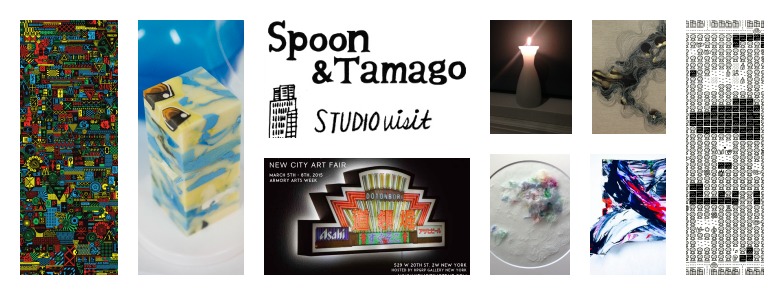
Exhibition: The Spoon & Tamago Studio Visits

NCAF- ST flyer

For the last three years we’ve has been conducting intimate studio visits with Japanese artists working in New York. The series offers an insider’s view into the personal spaces of the artist, documenting their choice of tools, toys and the many objects they choose to keep near.

We’re excited to announce that the web series is coming to life in the form of an exhibition at hpgrp gallery in Chelsea! It will be on view March 5th-8th with an opening Reception on Thursday March 5 from 7PM-9PM. We have a bunch of cool things planned so it should be a lot of fun!

Continue reading

Tracing The History of Tattoos in Japanese Ukiyoe

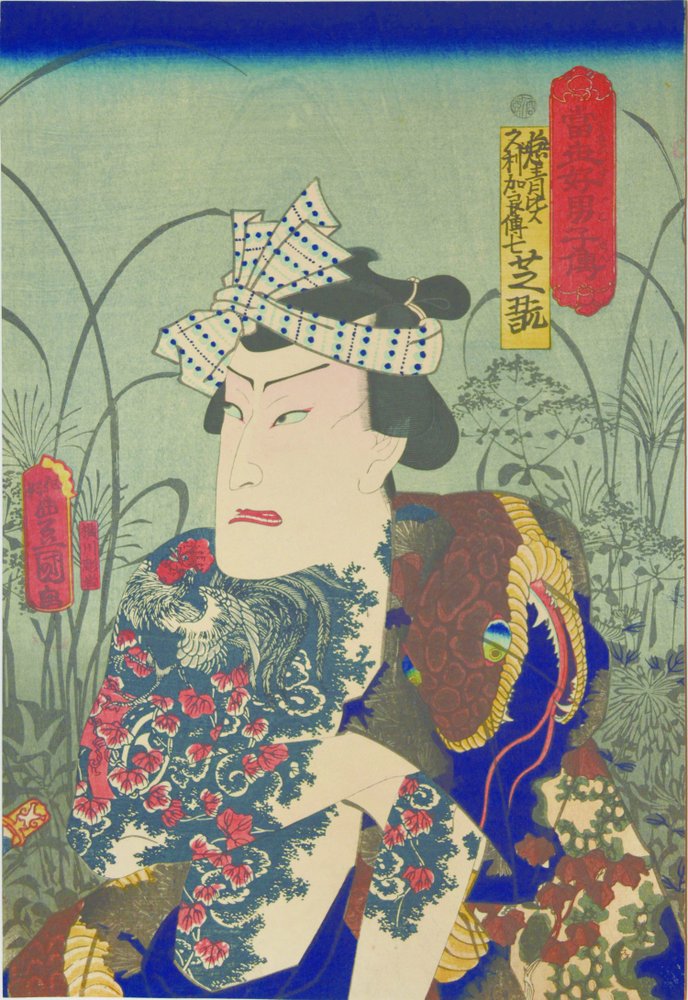
ronin-tattoo (7)

“Nakamura Shikan as Denshichi.” Toyokuni III. Woodblock Print. 14” x 9.5.”1861.

“Tattoos are complicated cultural symbols, simultaneously representing both belonging and non-conformity.” And in Japan they are all the more complex. In a rather lengthy post a while back we wrote about how tattoos were first uses as a form of punishment in Japan.

However, criminals began covering their penal tattoos with decorative ones rendering the punishment obsolete. This is thought to be the historical origin of the association of tattooing and organized crime in Japan.

In the early 18th century pictorial tattooing begins to flourish due, in part, to the development of ukiyo-e (woodblock prints) and the needs of popular culture in Edo. Irezumi (literally, the insertion of ink) “and printmaking became deeply referential, sharing themes and styles on paper and skin,” notes the Ronin Gallery in New York. In an upcoming exhibition titled “Taboo: Ukiyo-e & The Japanese Tattoo Tradition” the midtown Manhattan gallery plans to showcase the enduring conversation between ukiyo-e and irezumi.

Continue reading

Rare Scenes Captured of Tokyo in Dense Fog

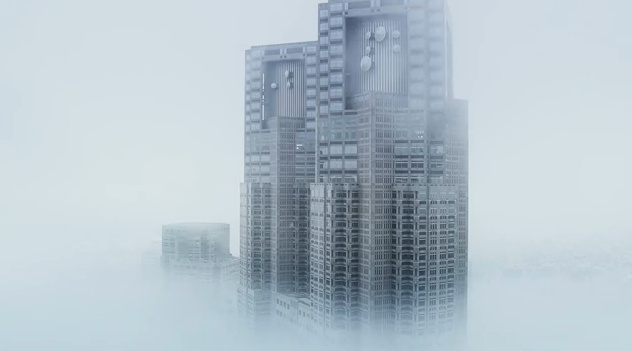
tokyo dense fog

When you think of foggy cities, Tokyo isn’t usually the first to come to mind. But in an enchanting video titled Tokyo Dense Fog, visual design studio WOW inc. captures the densest city in the world in a rare, dreamy condition. “These images show the face of Tokyo through a dense fog and the scattering of light,” says WOW. They capture the many faces of Tokyo as it’s “swallowed up by a perfectly white world.”

Continue reading

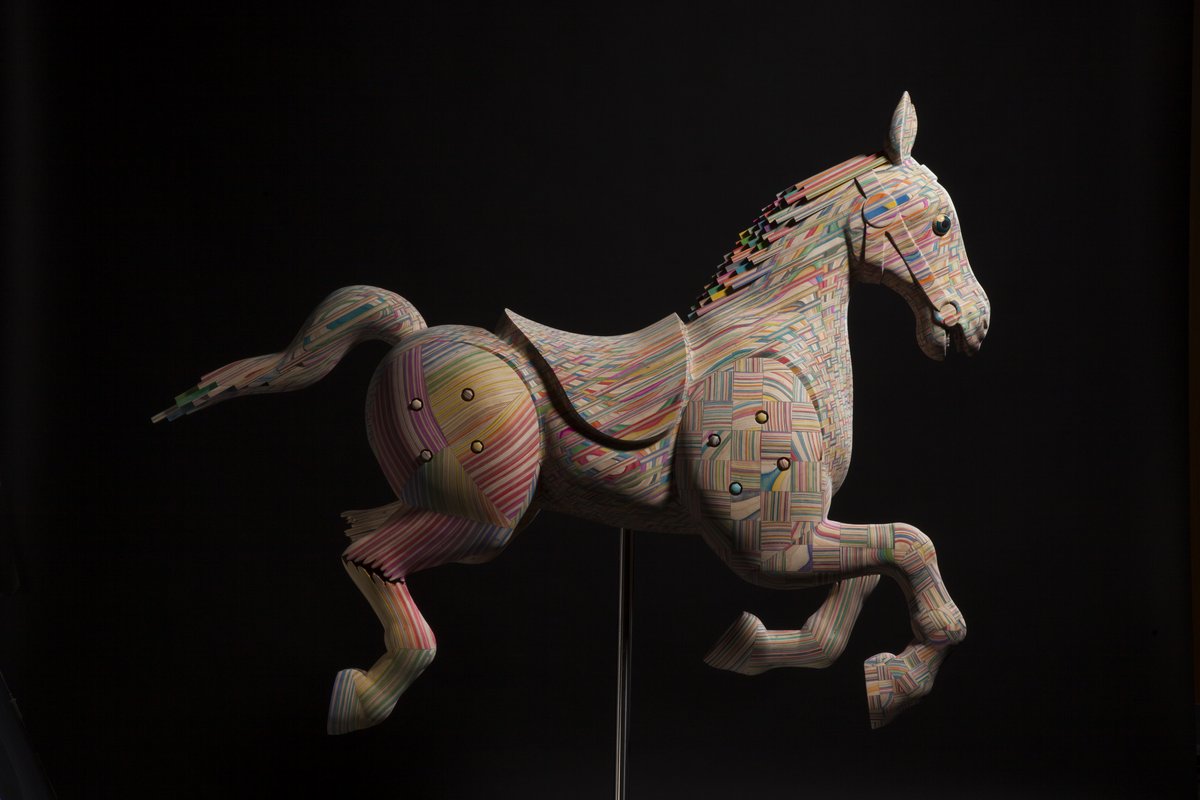
New Wooden Sculptures Made From Recycled Skateboards by Haroshi

haroshi at jonathan levin

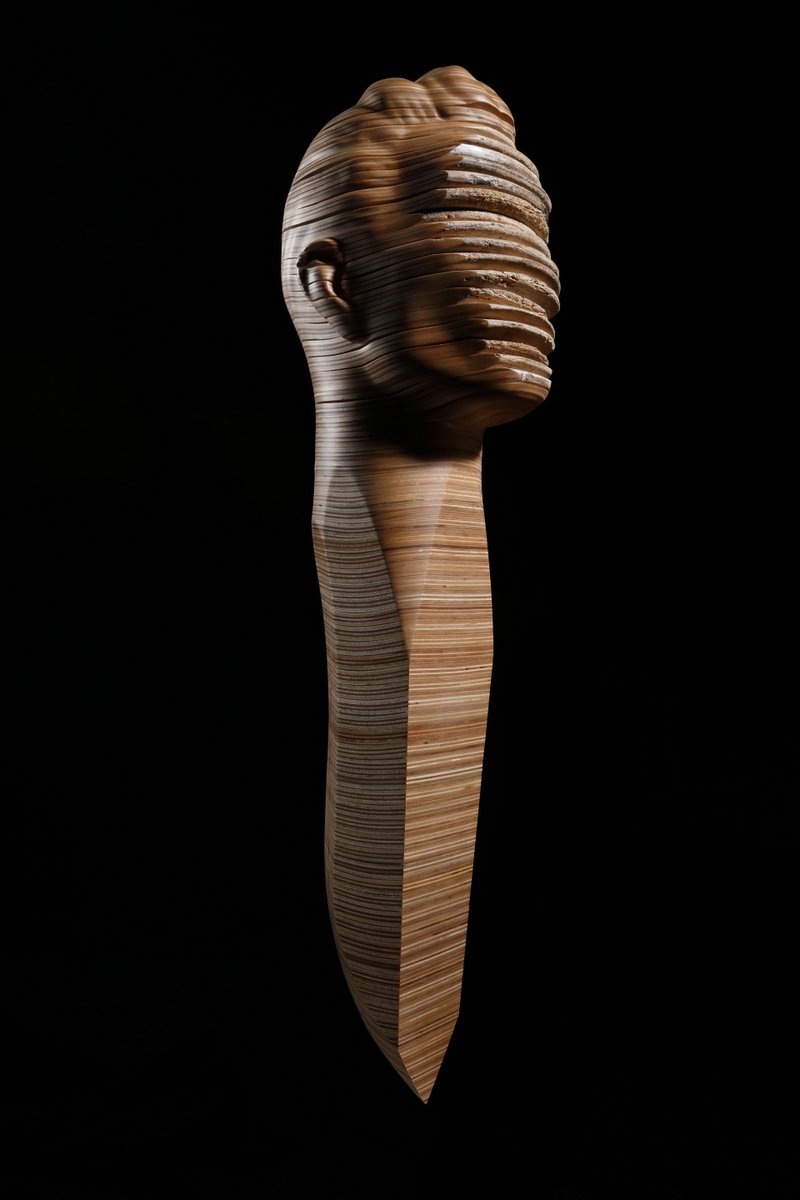
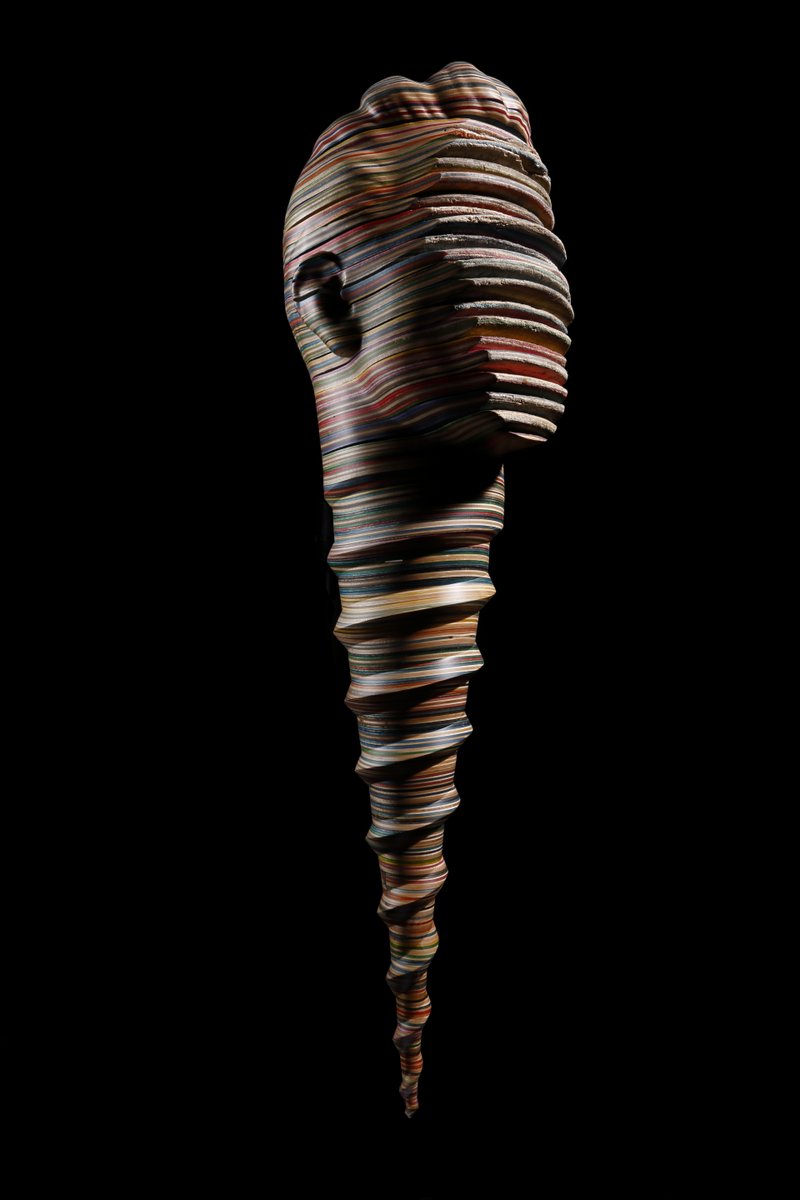
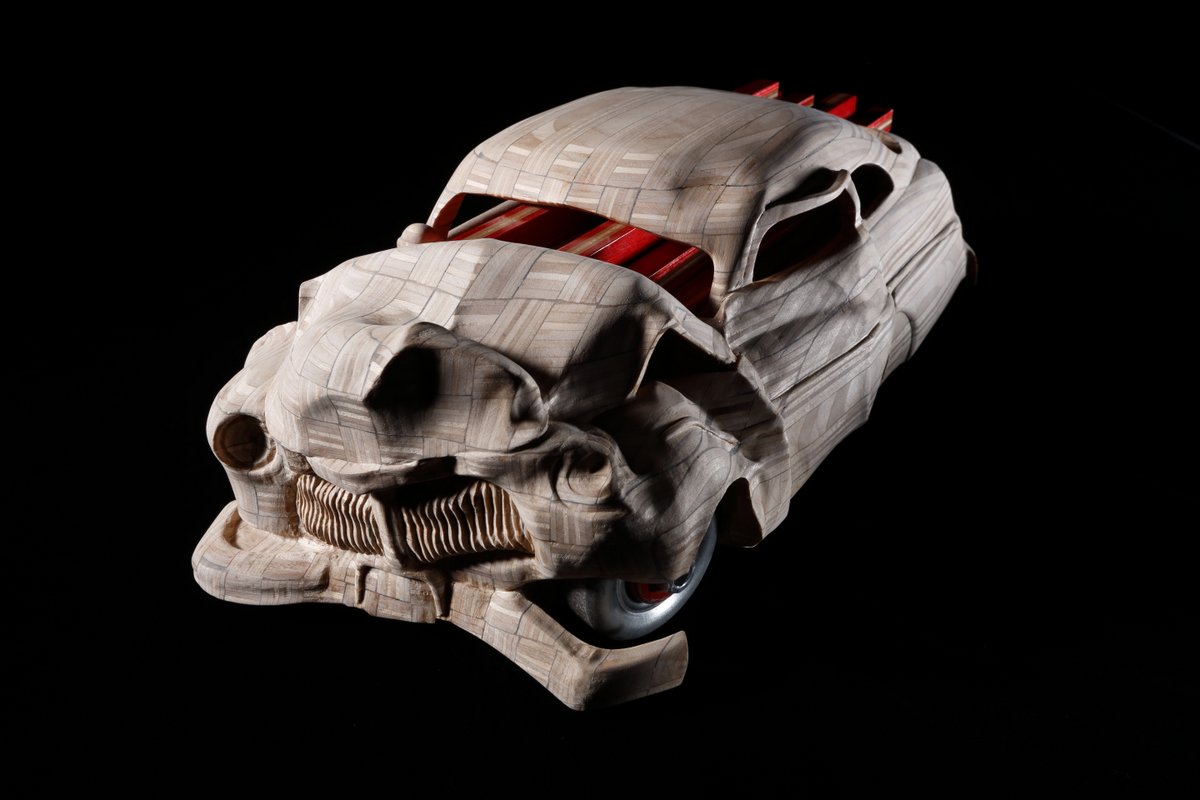
Tokyo-based artist Haroshi began skateboarding at the age of 15. But as he amassed interest in the sport, so too did his pile of skateboard decks and broken parts. Skaters will tell you that they go through new decks in 1 – 3 months. Some will even replace their decks every week so you can imagine how quickly these pile up. But instead of throwing them away, Haroshi decided to keep them.

One day, when he decided to cut into one of the decks, Haroshi discovered a fascinating wooden mosaic pattern that was a result of the laminated layers of wood. The self-taught artist, now 37, has created dozens of sculptures over the last decade and his latest creations are  part of an upcoming solo exhibition in New York at Jonathan Levine Gallery.
haroshi at jonathan levin

Still Pushing Despite the Odds” opens this week on February 19 and incorporates “articles of low-technology from the early to mid-1900s. Vintage items such as neon signs, dental tools and roller skates create a striking textural contrast when paired with the smooth silhouette of the skate decks,” says the gallery. “Throughout their lifespan together the skater and his board get battered, but even so they get up again to face the obstacles in their path,” says Haroshi, explaining the meaning behind the title of his show.

Although not always visible, Haroshi incorporates every part of the old skateboard into his sculptures. The metallic, non-malleable parts are often placed in the center as a “soul” of the sculpture. The process mimics a certain Japanese tradition: the sculpting of Great Buddhas. “90% of Buddha statues in Japan are carved from wood, and built using [the same method]” expalined Haroshi. Unkei, a 12-th century Japanese sculptor of Buddhas would set a crystal ball called Shin-Gachi-Rin (Heart Moon Circle) in the position of the Buddha’s heart.

Still Pushing Despite the Odds” runs through March 21, 2015.
haroshi at jonathan levin

haroshi at jonathan levin

The French Paintings of Balthus As Seen Through The Japanese Lens of Hisaji Hara

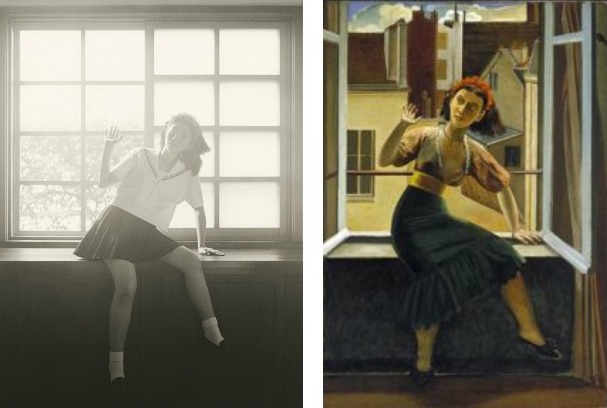
hisaji hara balthus

A Study of “The Window”, 2010. All of Hara’s recreations are given the title: “A Study of [Original Title]”


When the Tate Gallery asked French painter Balthasar Klossowski aka Balthus for an opening statement to his own retrospective he provided the following: “The best way of starting is to say that Balthus is a painter about whom we know nothing. And now, let us look at his paintings.”

Such is the nature of the enigmatic artist and perhaps one of the reasons the Japanese photographer Hisaji Hara has become obsessed with him to the point of dedicating his own career to photographically reenacting many of Balthus’s paintings.

Continue reading

A Residence and Dental Office Stacked Like Building Blocks

kunihiko matsuba nagasawa dental clinic (1)

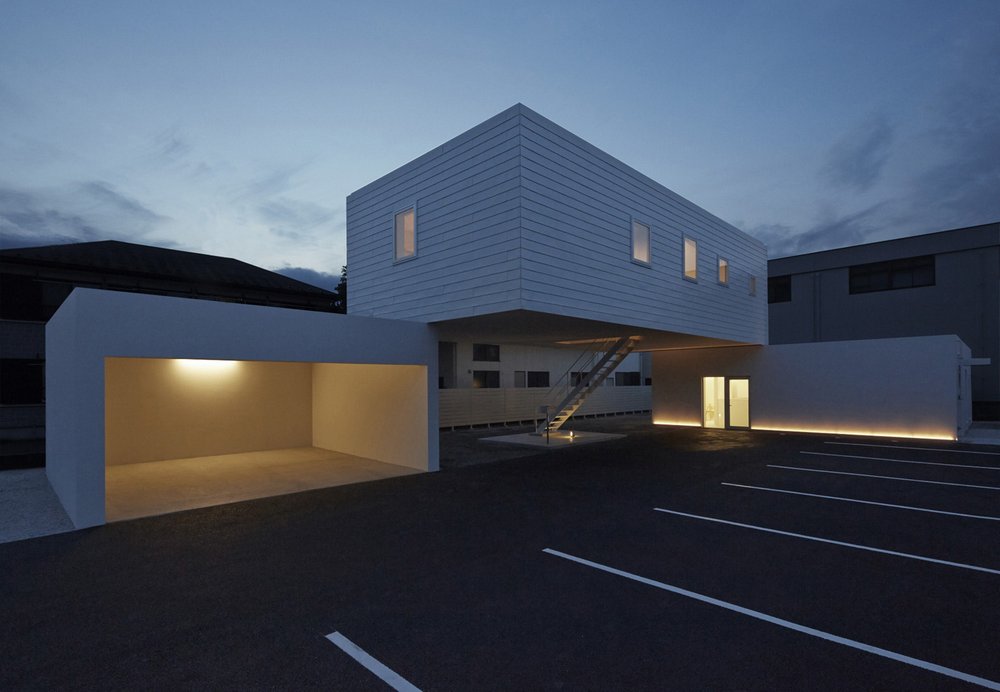
Nagasawa Dental Clinic in Hachioji by Kunihiko Matsuba |Photos byTaishi Hirokawa

“The buildings look like a set of building blocks piled up to the brink of collapsing,” says architect Kunihiko Matsuba. But of course they don’t. The Nagasawa Dental Clinic in Hachioji is Matsuba’s latest work and is consistent with his firm’s aesthetic of creating “architecture that feels strange.” And strange it is. When it opened late last year in the Western suburb of Tokyo several residents who drove by had to make a u-turn to come back for a 2nd look.

Continue reading

« Older posts Newer posts »

© 2026 Spoon & Tamago

Up ↑

Design by Bento Graphics